
Senate OKs bill to label electric bicycles after floor debate about enforcement and consumer cost
Get AI-powered insights, summaries, and transcripts
Subscribe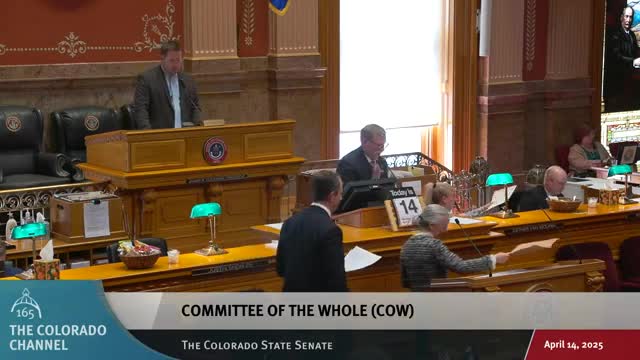
Summary
Senators passed House Bill 11-97, requiring labeling to clarify which electric bicycles can be modified into higher-speed vehicles, following floor debate about consumer costs, enforcement, and deceptive-trade-practice exposure.
The Colorado Senate on April 14 passed House Bill 11-97, a measure that requires clearer labeling for electric bicycles sold in the state to distinguish standard e-bikes from models that can be modified to operate like higher-speed scooters or mopeds.
Sen. Kevin Ball moved the bill on the floor and said it targets a regulatory gray area where some e-bikes can be modified and then used unlawfully; the sponsor said labeling will help police enforcement and inform parents who may buy an e-bike for a minor. "If you buy your kid a bike that can be modified to go 28, 30, 30 5 miles an hour, that is not gonna be covered in the event of an accident," a floor sponsor said, urging clarity for consumers.
Opponents raised concerns about added costs to retailers and the potential for the bill to impose new regulatory burdens. Sen. Simpson said he opposed adding a deceptive-trade-practices exposure tied to labeling requirements, which he called an overreach into business liability. Supporters, including senators who described stakeholder engagement with manufacturers, retailers and cycling advocates, said the bill reflected compromise language acceptable to the industry.
The Senate adopted the bill on the floor; the transcript records the final voice vote and passage without a detailed numeric roll call included in the excerpt. Sponsors said the bill resulted from stakeholder discussions and is intended to educate consumers while allowing the e-bike market to grow.
Why it matters: supporters say clearer labeling will help law enforcement, retailers and consumers understand which bicycles are legally appropriate for riders under age limits and which models could be modified to exceed legal speed classes; opponents warned of higher consumer costs and possible statutory exposure for sellers.