
Committee hears contractor testimony on building-integrated photovoltaics bill; sponsor says it clarifies installation requirements
Get AI-powered insights, summaries, and transcripts
Subscribe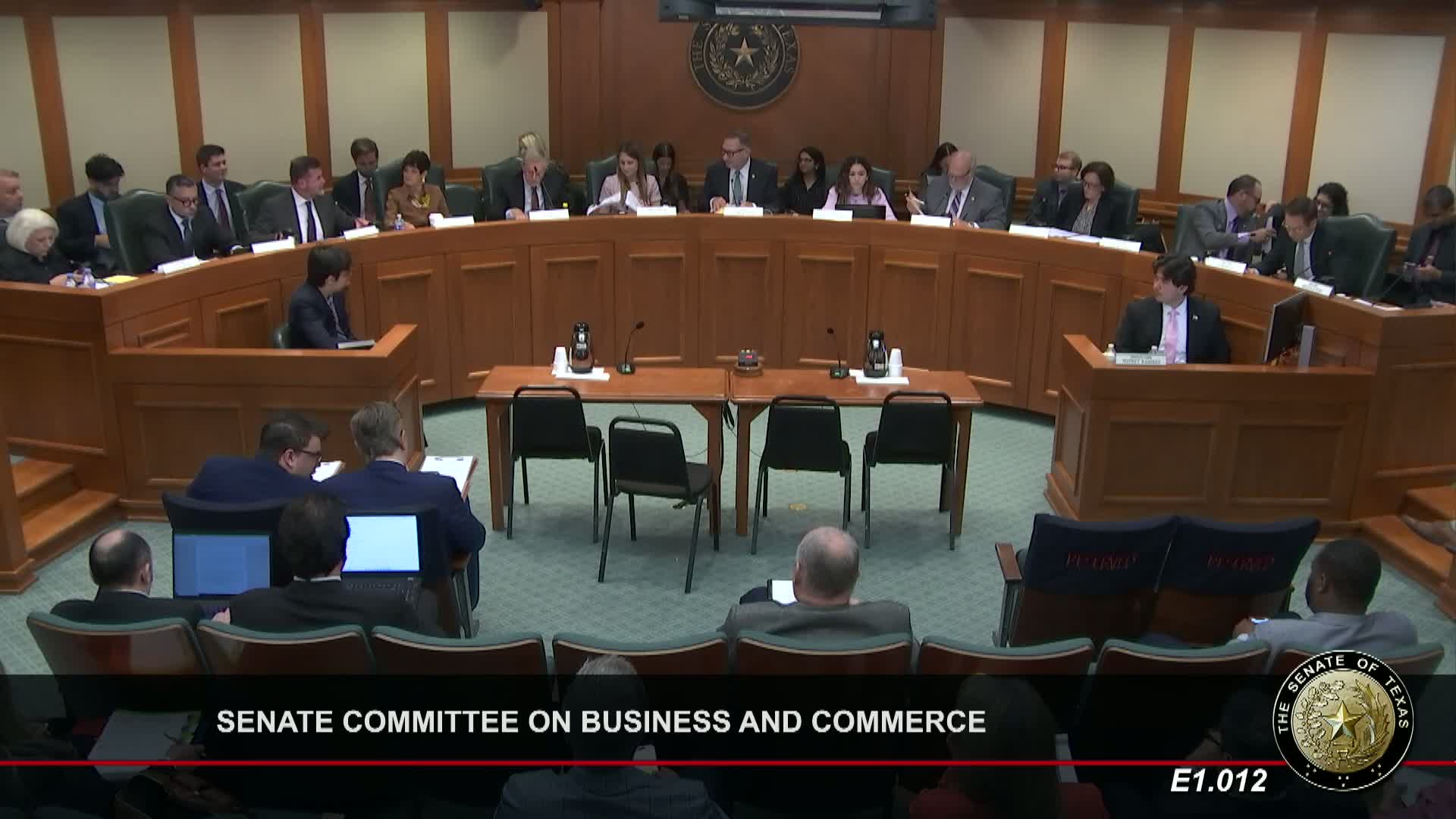
Summary
Senate Bill 28 64 would clarify that building-integrated photovoltaic (BIPV) roofing — roofing materials that also generate electricity — may be installed by roofing contractors so long as electrical connections are handled by licensed electricians; witnesses said the bill would remove permitting confusion and speed storm recovery.
Senator Creighton presented Senate Bill 28 64, which aims to clarify how the state and local permitting authorities regulate building-integrated photovoltaics (BIPV) — roofing materials that serve as weatherproof roofing while also generating electricity. The sponsor said some localities have been treating BIPV the same as rack-mounted, electrically connected solar arrays, requiring an electrician to be on-site during roofing installation. The bill would allow licensed roofing contractors to install BIPV roofing materials as roofing work, while licensed electricians would remain responsible for wiring and electrical connections.
Ty Smith, a roofing contractor who said he lives in El Paso and has worked as a roofer for 20 years, testified in support. Smith told the committee that in some cities roofing contractors have faced fines or permitting delays when installing BIPV products because local permitting treated the material as electrical work. He said that roofing contractors are installing the watertight roofing surface and that electricians should be responsible for the electrical hookup later. Smith also said adopting the bill would speed recovery after storms and reduce costs. Smith offered a physical sample and said the product he cited is produced in Georgetown, Texas.
Sponsor and members asked staff and witnesses clarifying questions about permitting and safety; no formal vote was recorded during the hearing and the bill was left pending.
Ending: The committee closed public testimony for SB 28 64 and left the measure pending for further consideration.