
Council approves $30,000 transfer to support police K-9 expenses and reviews police budget
Get AI-powered insights, summaries, and transcripts
Subscribe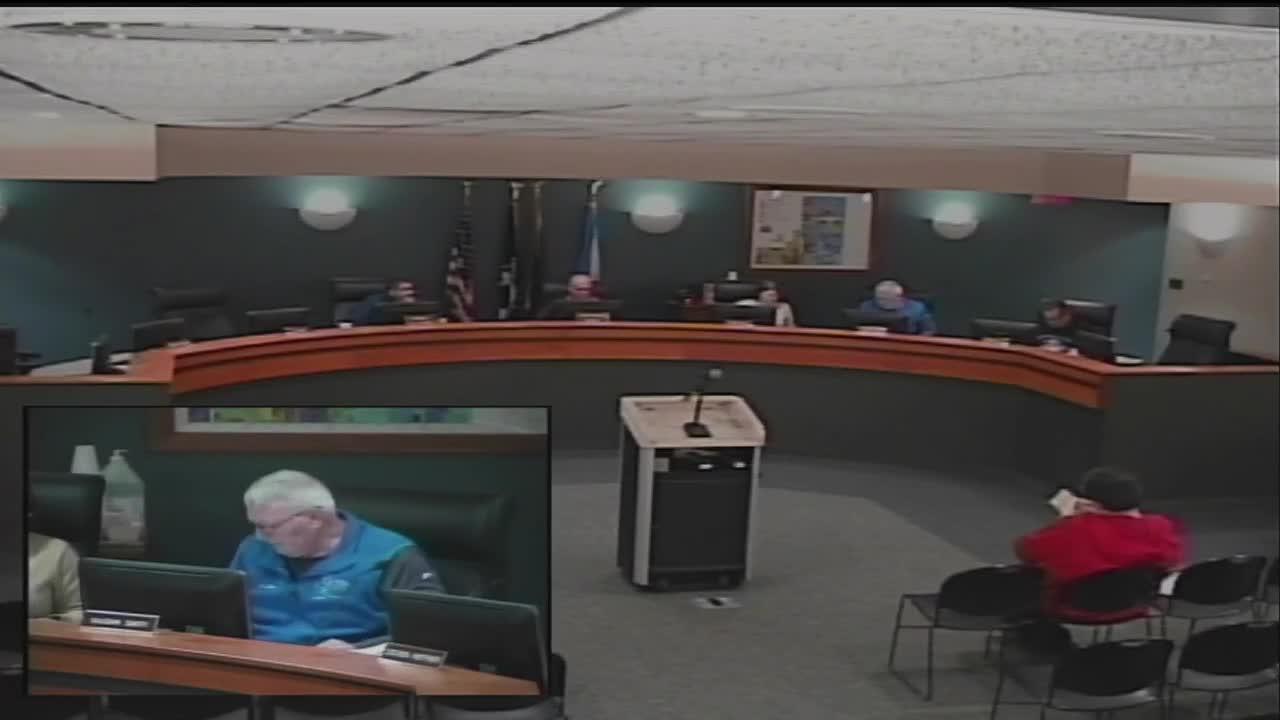
Summary
At a budget workshop, council members agreed to move $30,000 from the police fund balance into the police department's contractual services to cover canine training and equipment, and reviewed police budget changes including vehicle replacements, portable drug testers, and a planned drone purchase.
The City Council agreed during a budget workshop to move $30,000 from the police fund balance into the police department's contractual services line to cover K-9 training and equipment needs.
The transfer was discussed as council reviewed the police department's proposed budget changes, which included a corrected capital plan for vehicle purchases, funding already budgeted for three patrol vehicles at $75,000 each, reduced police fee revenue to $15,000, and a lower general-fund transfer to $300,000 to use fund balance for sign-on bonuses and other retention costs.
The move to fund K-9 expenses came after staff noted the police canine donation fund had been used to buy two dogs and is nearly depleted. A staff presenter said the department had spent about $14,000 on the two most recent canines. Council members said officers should not have to solicit donations for essential equipment; one council member asked if an internal transfer could cover costs, and another suggested $30,000 would be sufficient for additional equipment including a training bite suit. After discussion, a council member asked, "Everybody on board with that?" and council members responded yes.
Police staff also discussed other budget items. Regarding cruisers, staff said two vehicles had been totaled, insurance reimbursement may not cover full replacement costs, and the department has ordered four new cruisers; "We are getting reimbursement for those," staff said. A budget spreadsheet error was corrected: a capital plan line that showed two vehicles for $150,000 was updated to show three vehicles at $75,000 each, totaling $225,000.
The police department requested two specific pieces of equipment: a portable drug tester budgeted from the state drug law enforcement fund for about $10,000 and a planned drone purchase at $30,000 to be paid from a federal drug law enforcement fund. On portable drug testers, the police chief said, "these portable testers will tell us what drug it is, what it's made up of, what it's cut with," adding that the devices speed evidence-processing and reduce officers' exposure to hazardous substances. On drones, staff confirmed training is included in the $30,000 plan and noted that deploying drones will require adding a rider to the city's insurance policy.
Council members asked how the drone purchase relates to drug enforcement; a police presenter said drones can be used to obtain a property layout and observe a scene before officers approach. The council did not record a formal roll-call vote on the K-9 transfer in the transcript, but members verbally confirmed the $30,000 shift during the meeting.
The police department also clarified staffing and training lines: the payroll currently lists 33 full-time officers, and budgeted salaries assume a full complement of 36 or 37 sworn positions and command staff. Training line items were reduced in part because some training is provided at no cost by outside partners, and equipment lines were increased to cover a new PA system repair and upgrades to detective bureau cameras and recording systems.
Several council members asked for continued clarity on reimbursements for the totaled cruisers and the capital plan documentation; staff said the $225,000 figure is already budgeted and that insurance reimbursements vary depending on vehicle age.
The council moved on after the police budget discussion to other departmental budgets.