
Powhatan County reviews water and wastewater master plan; consultants recommend stream study before costly James River outfall
Get AI-powered insights, summaries, and transcripts
Subscribe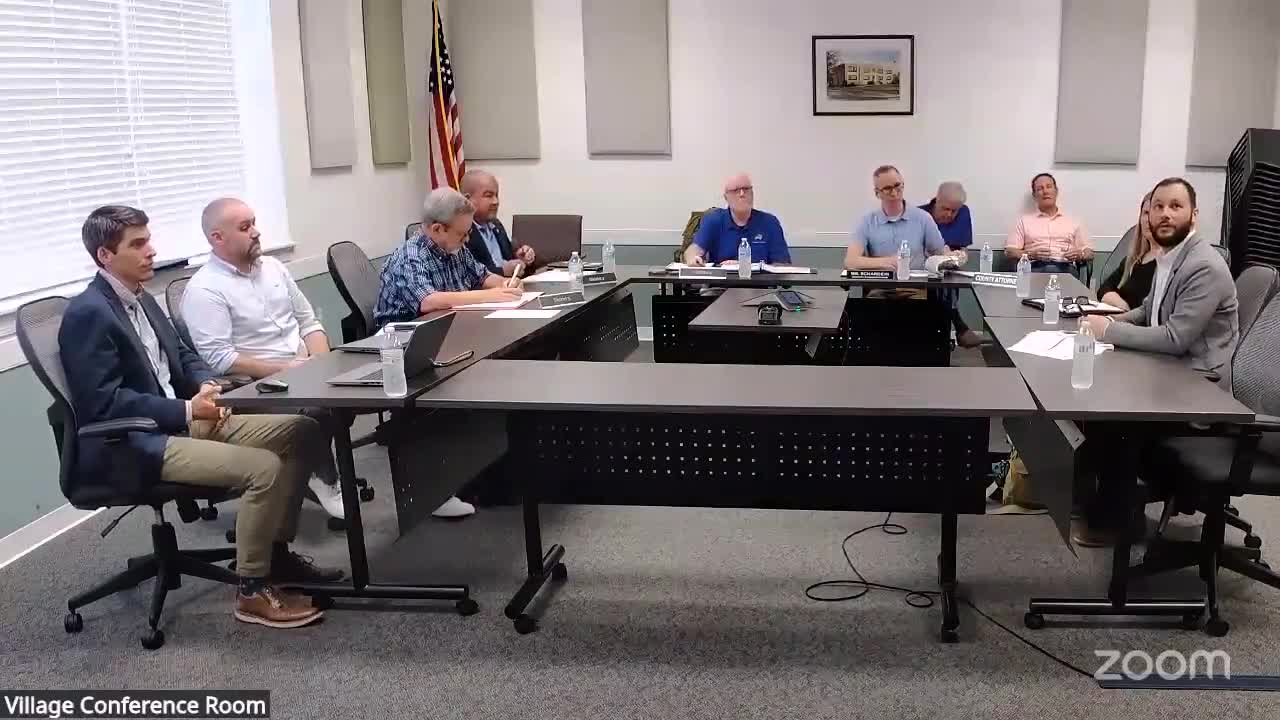
Summary
Powhatan County officials heard a presentation on the county's updated water and wastewater master plan Tuesday, with Deberry & Associates advising a targeted stream study before committing to a large outfall relocation and outlining three planning scenarios tied to possible additional water from neighboring systems.
Powhatan County officials heard a presentation on the county's updated water and wastewater master plan Tuesday, with Deberry & Associates advising a targeted stream study before committing to a large outfall relocation and outlining three planning scenarios tied to possible additional water from neighboring systems.
The study matters because it will shape multi‑million‑dollar decisions on whether to take the Fighting Creek Wastewater Treatment Plant offline and pump its flows to DuToit Creek, how much to expand the DuToit Creek Wastewater Treatment Plant, and whether to relocate an outfall to the James River at substantial cost.
Brett, a consultant with Deberry & Associates, told the Powhatan County Board of Supervisors that the master plan is intended to be flexible and respond to growth and regulatory scrutiny. “We account for [the data center that has been approved] in the master plan,” he said, answering supervisors’ questions about whether a confirmed data center user was included in demand projections.
Consultants described the county’s wastewater system as split between the Fighting Creek plant, which serves the courthouse area, and the DuToit Creek plant, which serves the Flat Rock area. One of the primary improvements the firm identified was converting Fighting Creek to a pump station and sending its flow to DuToit Creek. The firm estimated the conversion at about $13,000,000 and said it would reduce maintenance complexity but would require additional capacity at DuToit if growth follows projections.
Deberry & Associates flagged a separate, potentially larger capital need: relocating the DuToit Creek outfall to the James River. The consultants said the Virginia Department of Environmental Quality (DEQ) has raised concerns about effluent limits at the outfall and that relocating could cost tens of millions of dollars. Brett recommended first paying for a stream study of the outfall stream to determine whether relocation is required now or can be delayed. “It may save you $40,000,000,” he said of investing in the study rather than immediately proceeding to relocation.
The firm presented staged improvement lists for 2030, 2035, 2040 and 2045. For example, taking Fighting Creek offline and adding a pumping station to DuToit was shown in the 2030 list; related expansions of DuToit were shown later, with costs for some items listed in the plan at roughly $10–$12 million for expansions and tens of millions for outfall relocation or long transmission mains.
Supervisors and staff pressed consultants on contingencies and sequencing. A supervisor asked whether doing the Fighting Creek conversion in 2030 would automatically force the 2035 projects; consultants replied that some 2035 projects depend on the results of the stream study and on actual growth, and therefore timing could shift. Consultants said the DuToit expansion shown for 2035 could move later if growth lags, but that relocating an outfall could become necessary if monitoring or DEQ outcomes require it.
The presentation laid out three implementation scenarios tied to water supply options: a best case where Chesterfield County supplies an extra allocation (~2,000,000 gallons per day through the existing Route 60 connection), a middle case that assumes an additional interconnection loop at Robius Road, and a worst case that anticipates a Henrico connection with under‑water crossing. The consultants warned that costs vary widely by scenario—looping the system and related road easements were discussed in the tens of millions of dollars, with one loop estimate cited near $44,000,000.
County staff and the consultants also discussed funding paths. The consultants and staff said the county has submitted interest for Water Quality Improvement Fund (WQIF) grant opportunities and that qualifying projects in a strategic capital improvement plan could increase competitiveness for those funds. Staff said securing grant funding would alter the fiscal case for pursuing larger projects.
Board members asked about near‑term steps. Consultants identified one project that should begin in the next three to five years regardless of scenario: planning and design work for the DuToit expansion. They recommended commissioning the stream study (clients discussed a $200,000 estimate for that study) before committing to an outfall relocation.
Consultants cautioned about uncertainty over demand projections and a long planning horizon. “It always goes slower,” Brett said of multi‑decade capital plans; he added the timeline depends on permitting, growth and funding. Supervisors asked for prioritized, scenario‑based lists of the projects the county would need to advance over the next three to five years; staff and consultants agreed to return with clearer priorities and cost estimates.
Ending
County officials scheduled follow‑up conversations with Chesterfield County utility staff in June to explore interconnection possibilities. Consultants said they will provide the county with the immediate engineering scope and cost numbers for the DuToit expansion and the proposed stream study so staff and supervisors can evaluate next steps and potential grant opportunities.