Committee hears bill to allow redaction of livestock‑disease records; proponents cite avian‑influenza response
Get AI-powered insights, summaries, and transcripts
Sign Up Free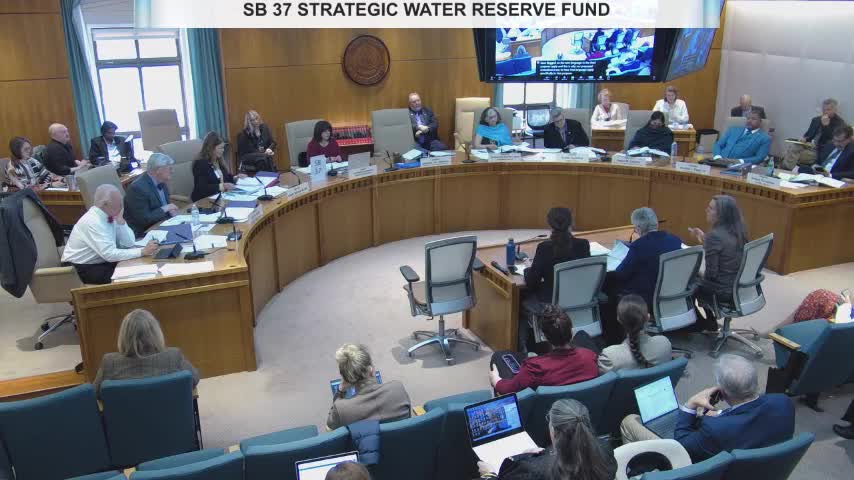
Summary
Senator Woods introduced a committee substitute to permit the state veterinarian and the Livestock Board to redact or withhold personally identifying information in certain livestock‑disease records to encourage voluntary reporting and protect producers.
Senator Woods introduced a committee substitute to give the state veterinarian authority to withhold personally identifying information in certain livestock‑disease records and to authorize redaction when producers or laboratories provide samples for investigative testing.
State Veterinarian Samantha Hollick told the committee the measure stems from New Mexico’s 2024 experience with a strain of highly pathogenic avian influenza detected in dairy cattle and poultry. She said producers were reluctant to report early signs because New Mexico’s public‑records rules could expose names and locations and “producers were pretty fearful… they did not want to be put on a map.” Hollick said the draft statutory language is patterned after a Colorado statute and is intended to protect producers from threats, stigmatization and potential agroterrorism while preserving the agencies’ ability to investigate and respond.
Belinda Garland, executive director of the New Mexico Livestock Board, said the policy balances producer confidentiality and public‑safety needs: “When you walk into the grocery store today and there's no eggs on the shelf, consider what we're asking.” She said the bill is aimed at protecting the food chain and encouraging voluntary reporting and testing.
Producers and industry groups — including Tom Patterson of the New Mexico Cattle Growers Association, Larry Reagan of the Farm and Livestock Bureau, Beverly Itsinga of Dairy Producers of New Mexico, and representatives of veterinary organizations and stockmen’s groups — spoke in favor, saying confidentiality would increase reporting and aid outbreak response.
Committee members raised multiple concerns about the bill’s current language: whether the statute would improperly withhold information from public‑health partners; how confidentiality would work with third‑party laboratory testing; whether criminal or public‑safety exceptions are preserved; and whether a statutory veterinarian/client privilege exists by statute. Witnesses responded that the bill narrowly defines withheld material, that statutory protections already exist for private‑practice veterinary records, and that state investigatory authorities (disease investigations, hold orders, and quarantine) remain available for response.
Outcome: The sponsor asked to revise language and rolled the committee substitute over. The chair announced the bill will be returned to the committee on Saturday for further work.