
District outlines multi-year capital repairs and facility constraints, flags septic and wastewater as barriers to expansion
Get AI-powered insights, summaries, and transcripts
Subscribe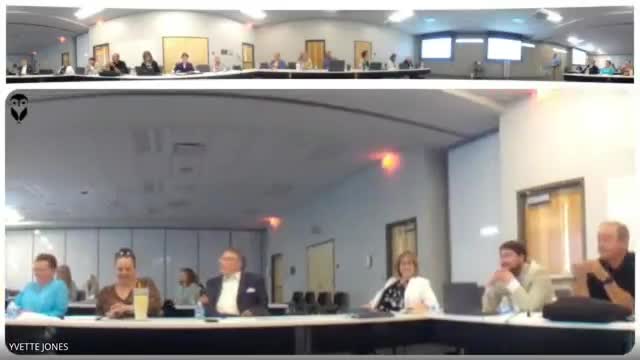
Summary
Currituck County Schools presented a multi-year list of capital repairs—roofs, chillers, HVAC controls and tracks—and told commissioners that on-site septic and wastewater limitations in parts of the county complicate school expansion and add upfront costs.
Currituck County Schools’ facilities team outlined a multi-year special capital funding plan to county commissioners and school board members on April 29, emphasizing roof and HVAC replacements, control-system upgrades and a need to address septic and wastewater systems before some school expansions can proceed.
Why it matters: Facilities work—roofs, chillers and control systems—affects building longevity, heating and cooling reliability and student comfort. The presenter said a mix of aging equipment, long lead times for mechanical parts and proprietary control systems has driven the district to prioritize building envelope and HVAC projects. In addition, the district said wastewater limitations at some campuses can make expansions or portable classroom installations expensive or infeasible without engineered septic work.
What was presented: - Project types: The facilities presenter said the top priorities were building envelope repairs (roofs, masonry pointing), chiller replacements (six chillers replaced in the prior two years), HVAC upgrades and control systems modernization. The presenter said some chillers carried 60-week or longer lead times, creating multi‑month procurement schedules.
- Costs and procurement: The presenter said initial project bids and lead times vary and contractors warned of tariff-driven price increases if contracts are not executed quickly. She described one chiller that required long-term staging and storage prior to installation.
- Track replacement and maintenance: The facilities presenter said an older rubberized track had deteriorated and the first maintenance bid to renovate it was quoted at $175,000—more than the staff ultimately paid after locating an alternate contractor. She said a regular five-year maintenance cycle would extend life and reduce long-term costs.
- Septic and wastewater constraints: Multiple speakers discussed engineered wastewater systems and site septic limitations at schools such as Shawboro, Jarvisburg and the high school. A facilities speaker described the practical cost of adding temporary classrooms: “We had to build a separate septic system just for those 6 trailers,” and noted the job cost “over $100,000.” Staff said some existing systems are unique (siphon systems) and require study; one presenter said a special capital-funding line in later years would address repairs to Currituck County High School’s system.
Discussion, direction and decisions: - Discussion: Commissioners and board members asked about lead times, control-system standardization and the potential to extend county sewer or use engineered wastewater systems to ease future expansions. Staff described a five-year plan to address deferred maintenance and said they are moving toward non‑proprietary control systems (Niagara) when possible to reduce long‑term service costs.
- Direction: Facilities staff will return with more detailed budget numbers for specific projects during county budgeting and will pursue contracts for projects already scoped. Staff also recommended studying engineered wastewater options for specific campuses to create alternatives to full new-school construction.
- Formal action: The board and commissioners did not adopt new capital funding on the record at this joint session; the presenter described prior contracts already voted on by the board and noted ongoing procurement steps for the coming fiscal year.
Ending note: Facilities staff thanked the boards for support and said the multi‑year plan is intended to bring deferred maintenance to a sustainable schedule while addressing long lead times and the need to avoid proprietary vendor lock-in where feasible.