
Panel urges tribal-led, culturally grounded behavioral health funding in Senate draft
Get AI-powered insights, summaries, and transcripts
Subscribe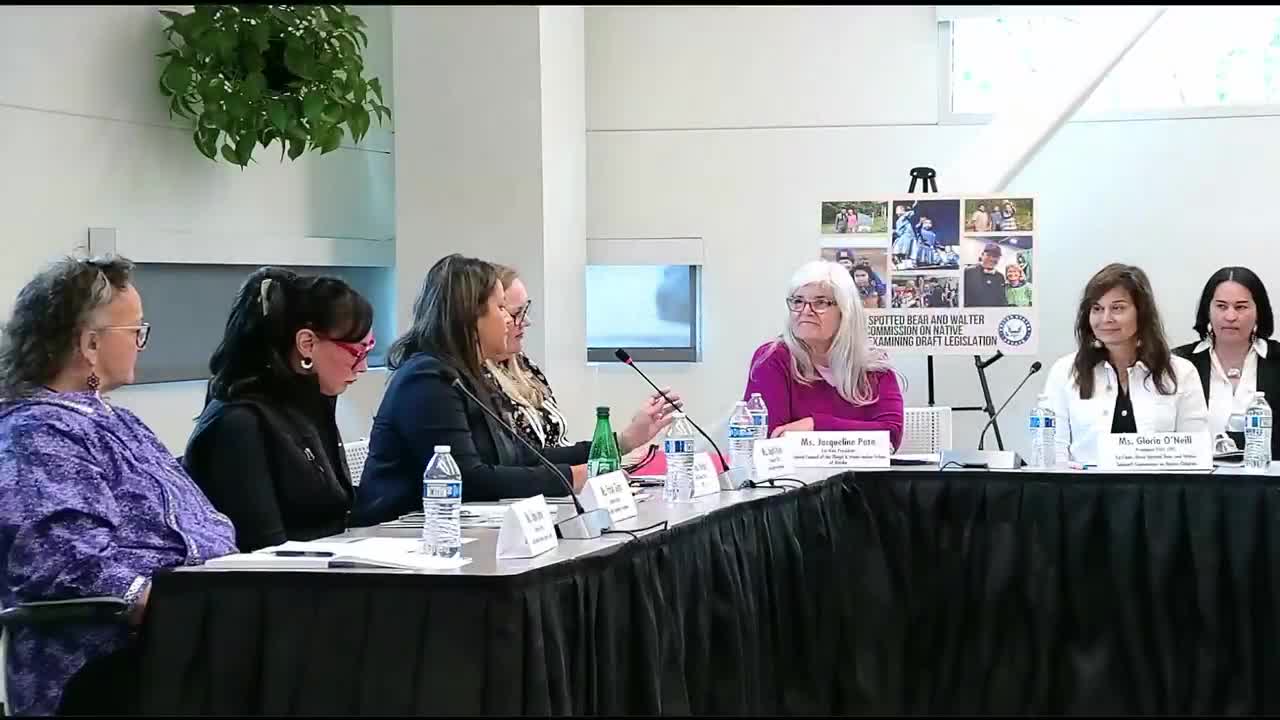
Summary
Experts at the Senate Committee on Indian Affairs roundtable recommended that Title 4 of the draft Native Children package fund tribal-designed, culturally grounded behavioral health programs with reduced billing constraints and supports for workforce retention.
ANCHORAGE — At a Senate Committee on Indian Affairs roundtable, behavioral health leaders urged lawmakers to give tribes flexibility to design culturally grounded behavioral health services and to reduce regulatory billing barriers that hinder care delivery.
“Using this approach would promote self governance for tribes to build and integrate behavioral health and social services fully,” said Dr. Tina Woods, chief clinical officer at Cook Inlet Tribal Council, describing Title 4 of the draft legislation. Woods told the committee that current documentation and prior-authorization rules can create barriers and that culturally rooted services help establish trust and improve retention of clinical staff.
Woods said tribal programs typically provide broad social supports — food security, housing assistance, childcare and outreach — that are central to a “no wrong door” approach. She said the draft’s proposed set-asides and a self-governance demonstration would allow tribes to “create spaces for healing whole families” and to address trauma that accumulates across generations.
Panelists tied staffing challenges to emotional labor and vicarious trauma, noting burnout and difficulty recruiting clinicians. Woods said flexible funding could support workforce wellness and training while maintaining standards for certification and competency.
Senator Murkowski framed behavioral health as central to the package, recalling young people who publicly described violence and suicide in their communities and urging a holistic approach that links behavioral health with housing, education and other services.
The discussion was advisory; the committee did not adopt formal language at the roundtable. Murkowski said staff will take the roundtable input into the fall drafting process.