
Physician-researcher tells commission antisemitism is driving Jewish STEM students to hide or leave research roles
Get AI-powered insights, summaries, and transcripts
Subscribe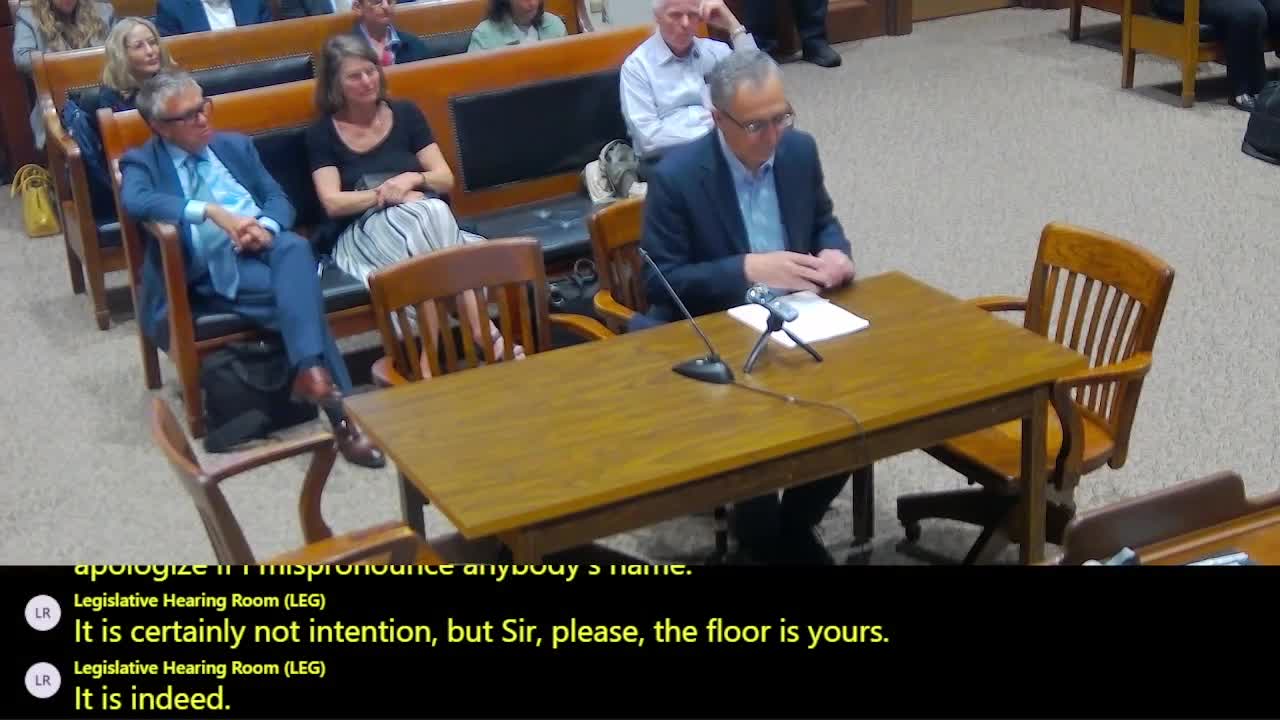
Summary
Dr. Mark Posnanski, an infectious‑disease physician and professor of medicine at Massachusetts General Hospital and Harvard Medical School, told the Special Commission on Antisemitism that Jewish and Israeli students and trainees have faced harassment and exclusion in STEM and research settings, and that the problem has intensified since October 7, 2023.
Dr. Mark Posnanski, an infectious‑disease physician and professor of medicine at Massachusetts General Hospital and Harvard Medical School, told the Special Commission on Antisemitism that Jewish and Israeli students and trainees have faced harassment and exclusion in STEM and research settings, and that the problem has intensified since October 7, 2023.
Posnanski said he was speaking in his personal and professional capacities and not for his employer. "For background, I'm Jewish," he told commissioners, linking a rise in antisemitism to public attacks on Israel and describing examples he has collected from students and faculty.
Why it matters: Posnanski and several students he has interviewed described consequences that extend beyond hurt feelings—students reported being excluded from study and lab groups, feeling "less able to contribute" in scientific discussions, facing gaslighting when they report incidents, and, in some cases, avoiding displaying Jewish identity. Posnanski said the pattern includes an "unofficial and quite severe academic boycott" of Israeli science that risks losing important research contributions.
Key facts and testimony: Posnanski described a June 2022 episode in which his name, his lab and his research were singled out by an online project; after reporting it to hospital security he says he was told the FBI was aware and advised to consider home security. He said students reported being ostracized on WhatsApp groups, assaulted by hostile classroom climates, and told to "get used to being uncomfortable" when they reported antisemitic conduct. "Some Jewish students and Israeli students feel less able to contribute their ideas, thoughts, and comments to STEM and research discussions because of a hostile atmosphere," he said.
On consequences for careers, Posnanski recounted a medical‑student candidate who declined a coveted Harvard lab placement after witnessing chanting and behavior she perceived as hostile. He also said many students asked for anonymity when speaking about their experiences because they feared retribution that could harm early careers: "They were worried that if they speak out about the antisemitism they're experiencing, they'll be dinged by faculty or in their path."
Policy asks: Posnanski urged three steps: definitive leadership statements condemning antisemitism in STEM and research; mandatory education about antisemitism and its contemporary forms; and a clear bias, harassment and discipline reporting path that students and staff trust will be enforced. "At the moment, we feel like complaints are made and nothing is actually done," he said, urging stronger reporting and follow‑through.
Discussion vs. decision: Commissioners and other witnesses asked follow‑ups about whether antisemitism in academia spills into clinical settings and whether students are leaving Massachusetts because of the climate; Posnanski answered from his interviews and clinical experience but no formal commission action was taken at the hearing.
What’s next: The commission heard Posnanski’s recommendation to strengthen training and reporting systems and to protect anonymity for students who fear reprisals. Commissioners indicated those recommendations will be considered as part of the commission’s higher‑education work toward its reporting deadline.