
Legislature approves three small 2025 capital projects: kitchen ceiling tiles, specialty wheelchairs and portable wastewater generator
Get AI-powered insights, summaries, and transcripts
Subscribe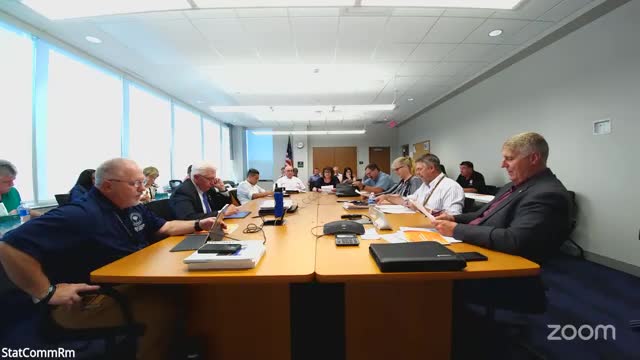
Summary
The committees approved supplemental capital appropriations to replace dietary kitchen ceiling tiles, buy specialty wheelchairs for a nursing home and purchase a portable generator for a wastewater treatment plant to meet state and federal regulatory requirements.
Orange County legislators approved three separate 2025 capital projects during the joint session: replacement of ceiling tiles in a dietary kitchen, purchase of specialty resident wheelchairs for a county nursing facility, and acquisition of a portable generator for a wastewater treatment plant.
The kitchen project: the legislature authorized creation of a new capital project (project 154) and $22,500 in bonding to replace deteriorated ceiling tiles in a dietary kitchen that county staff identified in a facilities assessment as a priority to maintain safe, sanitary conditions.
Specialty wheelchairs: a second appropriation authorizes $65,000 in bonding (project 144) to replace specialized mobility chairs used at county residential facilities. County staff explained the purchase would update aging equipment and meet state requirements that operators provide appropriate mobility devices to maintain residents’ functional independence.
Wastewater portable generator: the committees approved $117,230 to buy a portable generator for the county wastewater treatment plant. County engineers said the existing generator is not connected and the facility has been renting a generator at roughly $4,000 per month; regulators from the New York State Department of Environmental Conservation and EPA require a backup power source to maintain effluent quality during utility outages. Staff explained a portable unit is preferable now because the county plans a larger plant replacement and permanent generator sizing would depend on the final design.
Routine approvals: committee members asked for brief technical clarifications but did not delay the measures; each item carried on voice vote. County staff noted approvals create new capital projects and that code or state aid rules determined that the kitchen and design projects were treated as capital outlays rather than operating expenses.
Ending: county managers said the generator purchase will reduce ongoing rental costs and that the wheelchair and kitchen projects address compliance and sanitation needs at county facilities.