
Committee debates proposed property tax exemptions for veterans and seniors; some members urge need‑based focus
Get AI-powered insights, summaries, and transcripts
Subscribe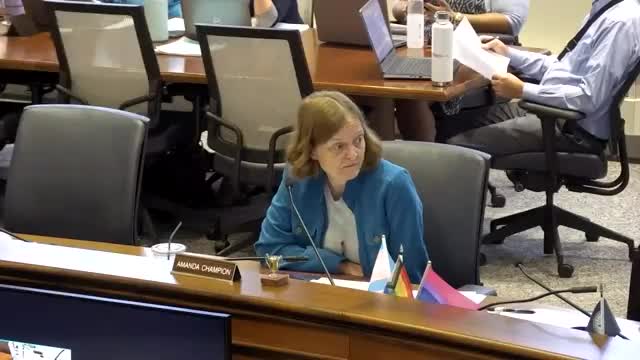
Summary
On Aug. 7, the Government Operations Committee reviewed state proposals to expand property‑tax exemptions for veterans and seniors and debated whether new exemptions should be need‑based or would shift tax burdens to other taxpayers.
Members of the Government Operations Committee reviewed several state proposals on Aug. 7 that would expand property‑tax exemptions for veterans and seniors.
Veteran exemptions and committee concerns
One proposed change would create a 100% exemption for veterans who are 100% service‑connected disabled. County staff cautioned this would represent a substantial tax exemption, shifting nearly $8 million in taxable value to other taxpayers; some committee members said exemptions should be targeted on need rather than status, since many 100%‑disabled veterans also work and do not meet an income‑need test.
A separate proposal would provide an exemption for active duty service members serving in designated combat zones if their home base is in New York State. Committee members questioned the prevalence of that circumstance and whether the provision would have meaningful local impact.
Senior exemption adjustments
Another item would permit counties to raise the senior exemption scale (e.g., 55%, 60%, 65% options instead of the current maximums) and adjust income thresholds. Committee members expressed concern about adding exemptions during a difficult budget year because exemptions shift tax responsibility to other taxpayers; one member suggested waiting to see the effects of last year’s changes before expanding the scale.
Ending
Committee members did not take action to adopt any of the proposed changes. Staff indicated they would not advance certain proposals unless committee members requested further action; members asked staff to continue tracking state proposals and to provide fiscal impact estimates if legislation proceeds.