
Residents press council over nighttime sidewalk and driveway‑apron citations; mayor and manager say police enforcement follows state law
Get AI-powered insights, summaries, and transcripts
Subscribe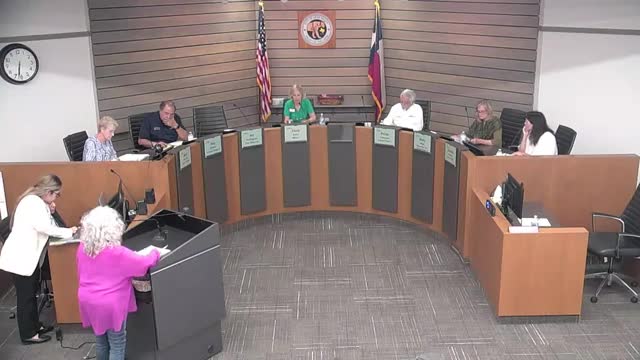
Summary
Several residents complained at public comment about citations for blocking sidewalks and overhanging driveway aprons, asking council to prioritize patrol work like theft and speeding. City officials said citation activity reflects enforcement of state and local law and that council cannot legally instruct police to ignore certain state offenses.
Multiple residents addressed the City Council during the public comment period on Sept. 2 about recent citations issued for blocking sidewalks and for cars overhanging driveway aprons. Speakers described receiving citations late at night and said the enforcement was damaging police–community relations. They asked the council to provide clearer policing priorities and to consider an online citizen poll on enforcement priorities.
City response and legal context: during the meeting councilors and the city manager provided data on citation volumes and legal context. A council member reported the police issued 22 sidewalk‑blocking citations in January and 37 additional citations between February and August, and the manager noted an overall uptick in traffic enforcement (speeding, stop‑sign violations) from roughly 400 to 600–700 citations over a reporting period. City officials emphasized that blocking the sidewalk is an offense under state penal code and that council cannot constitutionally direct officers not to enforce state law.
Public safety priorities: commenters asked that officers focus patrol time on car break‑ins, theft, speeding and suspicious persons rather than issuing sidewalk citations at night. Several councilors acknowledged the community’s desire for more visible patrols; some said citation data shows officers are already increasing traffic enforcement. The council asked staff to provide the citation data used in the discussion to the full council for review.
Ending: the council and manager said they will publish the citation data used in the meeting and that the community process (including CPAC and future town halls) can be used to shape enforcement priorities. The manager clarified legal limits on council direction to the police regarding enforcement of state laws.