
Council advances multiple Chapter 7 traffic amendments for turn restrictions, bus stops and handicap parking
Get AI-powered insights, summaries, and transcripts
Subscribe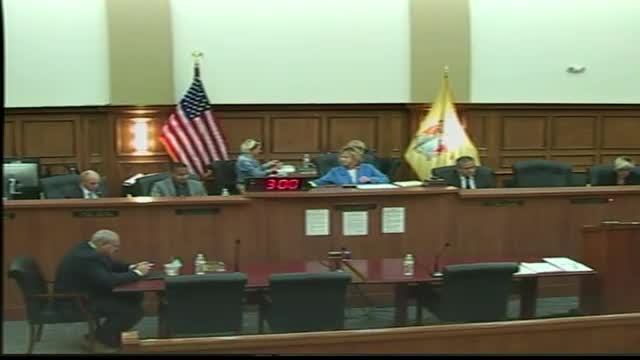
Summary
The council introduced and voted on several Chapter 7 traffic ordinances changing turn prohibitions, bus-stop locations, pick‑up/drop‑off zones, handicap parking and a "don't block the box" restriction; public hearings drew no speakers.
The Linden City Council moved forward with several traffic code changes aimed at restricting left turns, adding school drop‑off zones, relocating bus stops and setting limited on‑street handicap parking. Council members introduced and voted on amendments to Chapter 7 (Traffic) that include: a left‑turn prohibition from northbound Park Avenue into 1951 East Edgar Road (the Wawa); new school pick‑up and drop‑off zone times for East Morris Avenue (7 a.m.–9 a.m. and 2:30 p.m.–4 p.m. Monday–Friday); bus‑stop placement on East Morris Avenue with specified distances from Southwood Avenue and Clinton Street; additions and removals of on‑street handicap parking spaces; and a "Don't Block the Box" restriction at East Linden Avenue adjacent to the driveway of 2005 East Linden Avenue (north side). Council members moved to table two separate ordinances (69‑28 and 69‑29) to a future date; the motions to table were seconded and recorded in roll call as carried. For the items where public hearings were opened, the council announced no public speakers; the council then closed the hearings and adopted the measures or moved them forward as introductions according to the agenda. The measures were presented as amendments to the city’s codified traffic chapter. City staff told the council the ordinances had been published and posted as required; no written communications were reported for the individual items during the hearing. The council recorded roll‑call votes on introductions and on closing hearings; votes were recorded as yes by the attending council members on the introduced items. No enforcement details (ticketing frequency or intergovernmental coordination for state or county roads) were provided at the hearings. A resident later asked during public comment about enforcement on roadways that may be under county or state jurisdiction; the council did not provide a timeline for enforcement or cross‑agency coordination during the meeting.