City manager frames FY26 work plan: implementation focus, ADA transition and homelessness interventions
August 19, 2025 | Charlottesville, Albemarle County, Virginia
This article was created by AI summarizing key points discussed. AI makes mistakes, so for full details and context, please refer to the video of the full meeting. Please report any errors so we can fix them. Report an error »
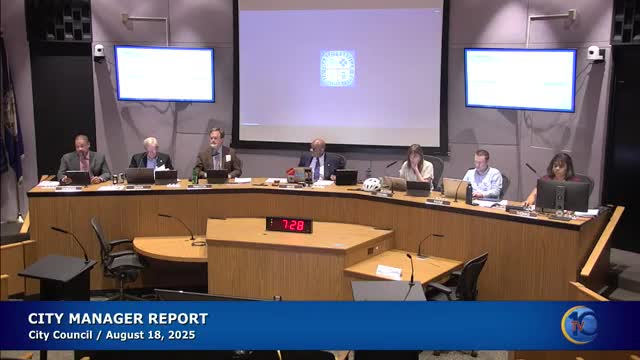
Sanders framed the year as one of execution: previous fiscal cycles focused on stabilizing operations, compensation and collective bargaining; this year the city will concentrate on doing the projects already planned. Among the implementation priorities Sanders highlighted were an ADA transition plan that proposes roughly $2 million annually over five years to remove barriers in sidewalks and public infrastructure; improvements in capital‑planning practices; and a renewed focus on the parks master plan and Downtown Mall investments.
On homelessness, Sanders reiterated that the city will pursue a multi‑pronged approach: strengthen Blue Ridge Area Coalition for the Homeless capacity; explore multiple temporary shelter types including tiny‑village models; pursue low‑barrier and alternative shelter placements; add homeless outreach workers; invest in public supportive housing and targeted housing supports; and evaluate directing funds to service‑network gaps. He emphasized that building sufficient housing alone will not quickly resolve current visible homelessness and that immediate outreach, storage and supportive services are required.
Sanders also described staff additions, including an emergency management coordinator and an additional staff position to coordinate economic mobility and low‑wealth household strategies (partially funded by ICMA). The plan reemphasizes transportation, housing and education as tier‑one priorities identified by council.
Councilors asked questions about climate resilience, public engagement and how to narrate implementation to the public, and several members urged deeper integration of climate adaptation into the plan’s transportation and capital projects. Sanders responded that the work plan is a living document he will update quarterly and that staff will bring more focused follow‑ups, especially on ADA and homelessness measures.
No formal council action was required; the presentation sets staff direction and establishes quarterly reporting expectations.
View the Full Meeting & All Its Details
This article offers just a summary. Unlock complete video, transcripts, and insights as a Founder Member.
30-day money-back guarantee
Sponsors
Proudly supported by sponsors who keep Virginia articles free in 2025

