
Clark County project board delays work after dispute over committee make-up and family court representation
Get AI-powered insights, summaries, and transcripts
Subscribe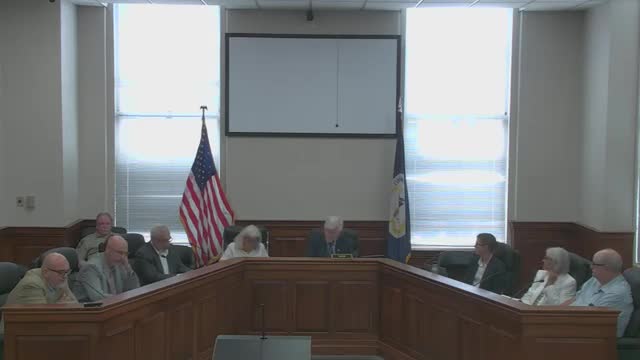
Summary
Members of Clark County’s new Project Development Board questioned the committee’s appointed membership and whether family court is represented, then moved to adjourn so the chief justice can be consulted.
At the first Project Development Board meeting for Clark County’s proposed judicial center, members raised objections to the committee’s appointed membership and whether family court had formal representation, then voted to adjourn pending consultation with the chief justice.
The committee met to begin organizing design and planning work for a new judicial center. Several sitting judges and other appointed members told the board they were concerned the roster of voting members as currently constituted did not include a family-court representative and that the local senior judges named in the appointment list appeared inconsistent with local seniority practice. Members said the appointments list referenced administrative guidance and a letter from the chief justice that had seated the project as ongoing, but they disagreed about whether this board could alter those appointments locally.
Board members sought clarity about which individuals the appointments designated as the "most senior by local term" for district and circuit judges and whether those named in the distributed membership list matched local seniority. Members specifically urged that Judge Barbara Shepherd be added as the locally senior circuit judge and that the chief circuit judge (identified in the meeting as Judge Mayer) be included as a member or formally requested as a representative of family court. The board discussed a possible practical workaround—adding an additional voting seat to avoid tie votes—but members noted any formal change to appointments or to the committee’s authorized membership would require action by the chief justice or the Administrative Office of the Courts (AOC).
Because of the disagreement over whether the panel was properly constituted, a member moved to table remaining agenda items and to adjourn until the chief justice could be consulted about the committee’s composition. The motion was seconded, and the board adjourned without a roll-call vote on further agenda items.
The meeting record shows the committee opened with roll call and nominations for a vice chair, but members paused substantive business when questions about representation and the board’s lawful composition emerged. Meeting participants noted that the AOC had previously sent a letter identifying persons for the project-development body and that the chief justice retains final discretion under AP Part 10 (as cited in the meeting) to modify or confirm committee appointments.
Next steps recorded in the meeting: the board will seek clarification from the chief justice or AOC on member appointments and on whether family court must have an appointed, voting representative before continuing substantive PDV work on the judicial center.
Ending: The board adjourned and agreed to set a follow-up meeting after the chair or other members consult with the chief justice and AOC for formal guidance on membership and authority to change appointments.