
Parents and advocates press RUSD for action on bullying, special-education supports and Title IX compliance
Get AI-powered insights, summaries, and transcripts
Subscribe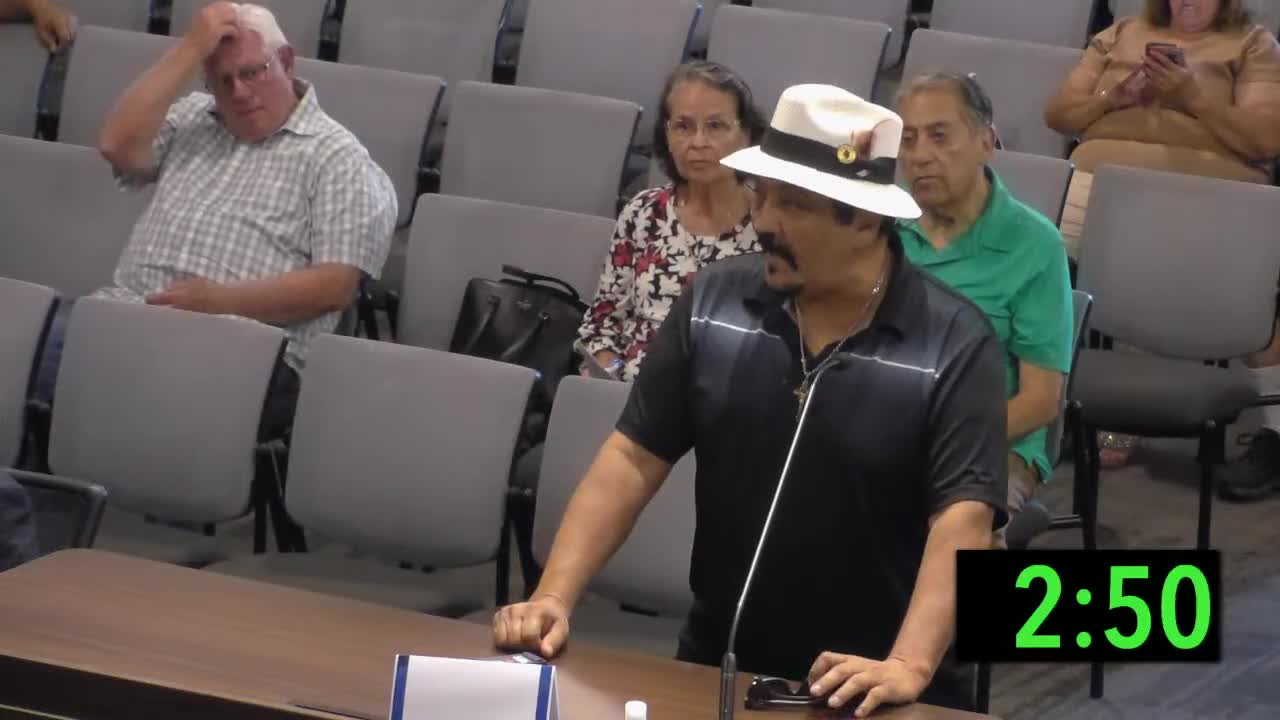
Summary
Parents, teachers and advocates urged the Riverside Unified School District board on July 24 to take stronger steps to prevent bullying and to address what they said were repeated denials and delays of special‑education and Title IX protections for students with disabilities.
Parents, teachers and advocates urged the Riverside Unified School District board on July 24 to take stronger steps to prevent bullying and to address what they said were repeated denials and delays of special-education and Title IX protections for students with disabilities.
Several speakers described ongoing incidents they said took place at multiple RUSD campuses and said district staff had not responded adequately. ‘‘It’s ridiculous. I advocate for three families…they have been subject to repeated bullying based on their gender or disability,’’ said Steven Figueroa, an education advocate with the Inland Empire Latino Coalition.
Figueroa described three cases he said his group is pursuing and said his contacts with the district’s Title IX coordinator produced unsatisfactory responses. Mike Espinosa said his son at Ramona High School suffered cyberbullying and that his requested transfer was denied; he said his son’s grades and mental health declined and that restraining orders against two students were pending. Tamar Zwick said her elementary‑age son with multiple diagnoses had been involved in repeated incidents and had only recently received a Section 504 plan and part‑time behavioral aide; she said the district had not yet provided a behavioral intervention plan or school‑based mental‑health services.
Board members accepted the public comments during the district’s public‑comment period and indicated staff follow‑up. Board President Lee said the district had the speakers’ contact information and ‘‘somebody will get back to you.’’ Trustee Doctor Tweed said the board wants to do better and emphasized the district’s responsibility to ensure safe learning conditions.
Why this matters: parents and advocates framed their remarks as both safety issues and potential legal obligations under federal civil‑rights and special‑education law. Several speakers used terms such as Title IX, IEP and UCPs (Uniform Complaint Procedures) when describing complaints to district staff or state agencies.
What the board did: the meeting record shows the comments were received and board members directed staff to follow up with the families; there was no formal investigatory action, vote or public report presented at the July 24 meeting.
What to watch next: board members and several district staff said they would contact families; the speakers requested case‑level reviews, clearer complaint communications and better outreach to Spanish‑speaking families. If families file formal complaints with the district’s UCP office or the U.S. Department of Education’s Office for Civil Rights, those filings would appear in future public records or subsequent board agendas.
Ending: board members repeatedly thanked the parents for coming forward and said the district is reviewing next steps. The board did not take a vote on policy changes at the July 24 meeting.