
School committee rejects MOA to preserve union rights for interim facilities director role
Get AI-powered insights, summaries, and transcripts
Subscribe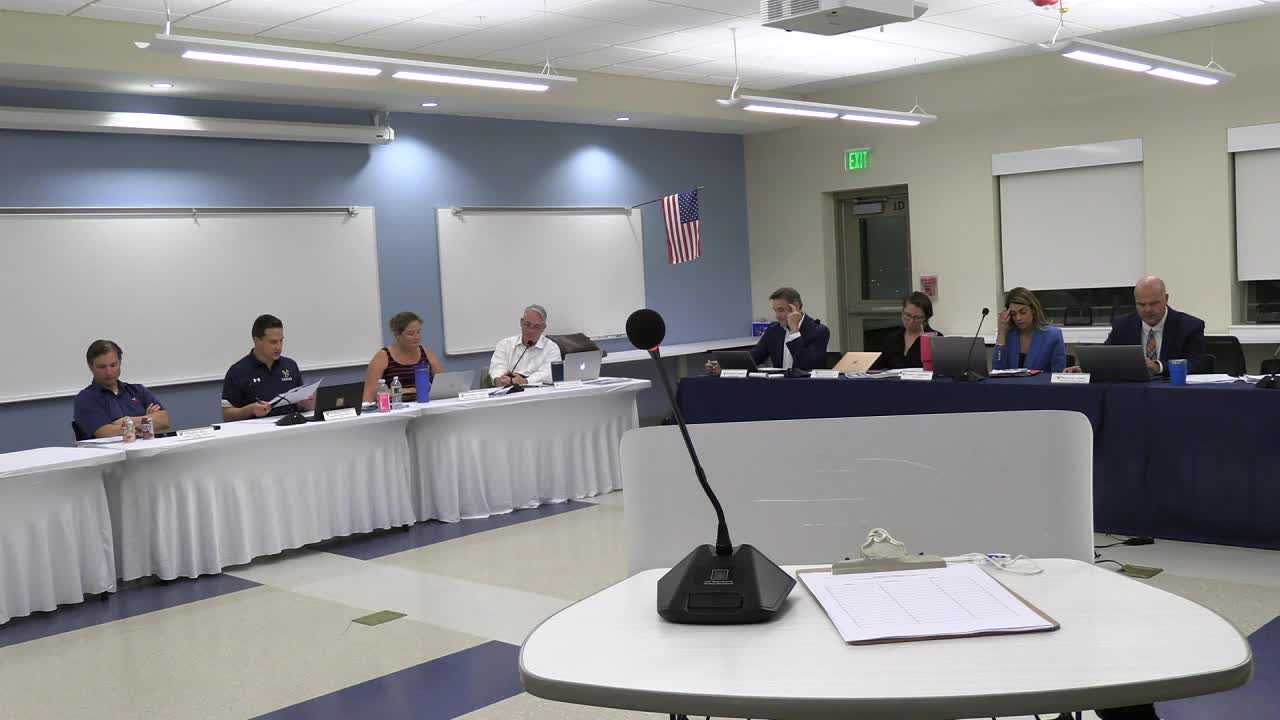
Summary
The committee declined to approve a memorandum of agreement that would have preserved union rights for a maintenance staff member stepping into an interim director-of-facilities role, citing budget and staffing uncertainty.
The Barrington School Committee voted to deny a memorandum of agreement (MOA) that would have preserved a steelworkers‑union member’s rights to return to a prior plumber position if he accepted an interim director of facilities assignment.
Administration explained the proposal as an attempt to protect the employee’s union rights while allowing him to serve in an interim leadership role. The MOA would have guaranteed the employee that, should he choose to return to his prior role, his union rights to that position would be preserved.
Committee members raised budget and policy concerns. One member asked why the district would preserve a position that had been recommended for elimination in the FY26 budget, noting the administration had earlier concluded some facilities roles should be eliminated or outsourced. Another member said executing the MOA could create a binding budget liability if the district later needed to honor a preserved position that had been intentionally removed for fiscal reasons.
Administrators explained the positions had been reviewed; the electrician role was not included in the fiscal 2026 budget while the plumber role was shown as budgeted. Committee members said they were not comfortable creating a contractual obligation that could obligate the district to restore a position after having planned reductions in the budget.
A motion to deny the MOA passed in open session; committee members said they valued the employee and supported him personally but could not commit to a contractual obligation that conflicted with the board’s budget decisions.