
Lakeland Electric seeks multiple upgrades; environmental charge and equipment replacements explained
Get AI-powered insights, summaries, and transcripts
Subscribe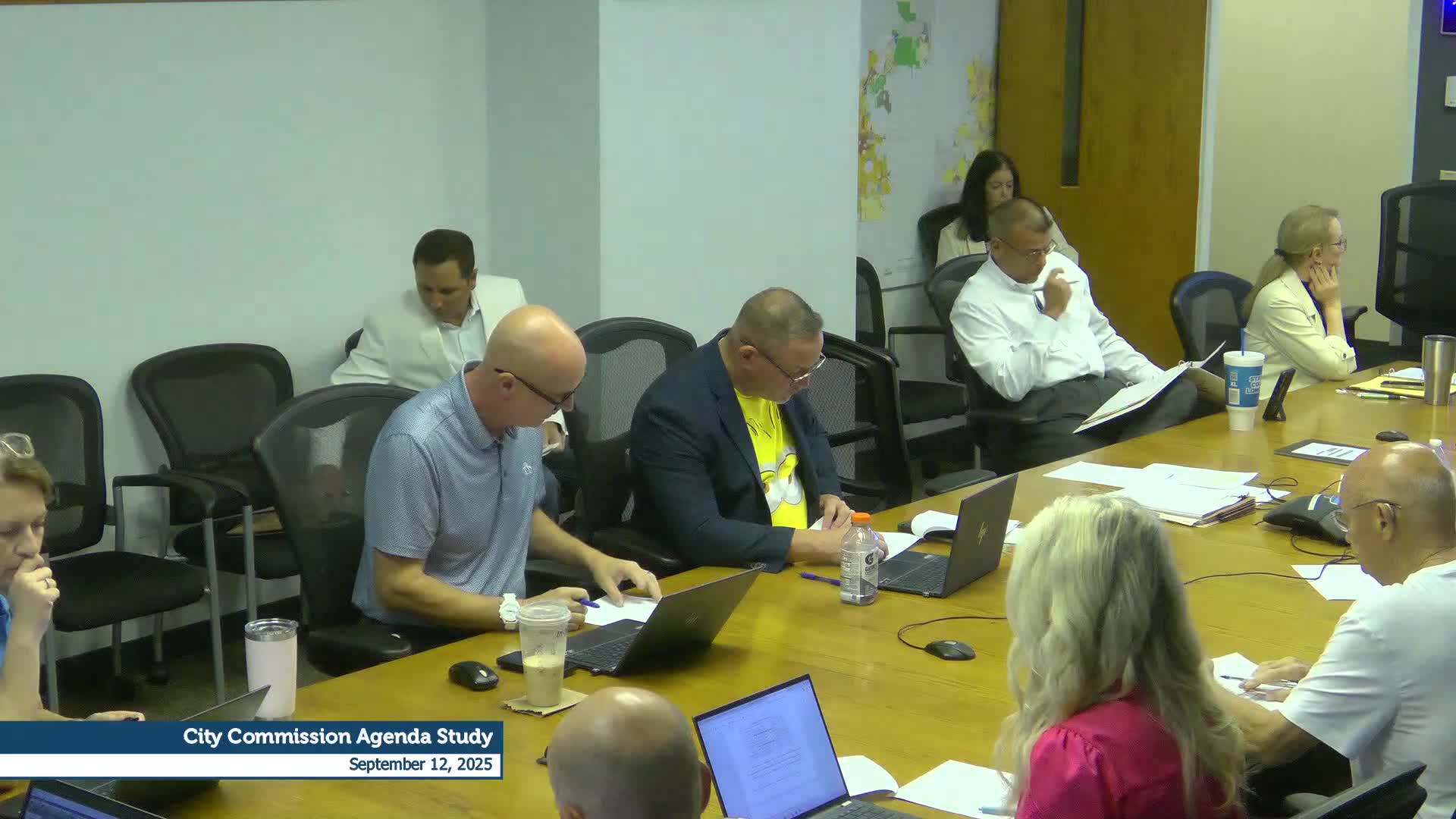
Summary
Staff briefed commissioners on an increase to an environmental compliance cost charge, equipment replacements at Larson Power Plant, and replacement of an obsolete ground-fault detection system for a unit — staff recommended contract awards and task authorizations; formal votes not recorded in excerpt.
Lakeland Electric staff presented several utility matters to the commission: a proposed increase to the environmental compliance cost charge, a vendor contract to replace an obsolete ground-detection system on a generating unit, and a task authorization to refurbish medium-voltage switchgear salvaged from an older unit.
Staff explained the environmental compliance cost charge (an adjustment applied per megawatt hour) would rise from $1.17 per MWh to $1.85 per MWh effective Oct. 1 to make up an estimated $476,000 under‑recovery and to cover costs related to two new retention ponds at the McIntosh Power Plant. Staff said the utility committee previously recommended the change unanimously.
On equipment replacement, staff said the MGT-2 rotor-field ground detection system (original equipment from the late 1980s) is nonfunctional and manufacturer support is unavailable. Purchasing issued an RFP; the only responsive vendor, Acumatics Inc., met and exceeded requirements. Staff recommended a purchase order of $165,000 (about $60,000 carried over from FY25, with the remainder in FY26) to provide engineering, materials, sensors, hardware, commissioning services, a five-year warranty and five years of maintenance.
Separately, staff recommended a task authorization with TeamworkNet to redesign and upgrade Unit 8 startup switchgear using salvaged switchgear cubicles from Unit 3. Staff said the approach would save approximately $400,000 compared with new equipment, reduce manufacturing lead times from about a year to roughly three months, extend equipment life by about 15 years, and deliver the work by May 2026. The not-to-exceed cost for the phase discussed was $492,040, with budgeted amounts split between FY25 and FY26.
Commissioners and utility staff discussed procurement reviews and the safety and reliability benefits of refurbishing switchgear. The transcript records staff recommendations and Q&A; formal commission votes on these items were not recorded in the provided excerpt.