
Employees and trustees press Katy ISD on health plan denials, proposed premium and deductible increases
Get AI-powered insights, summaries, and transcripts
Subscribe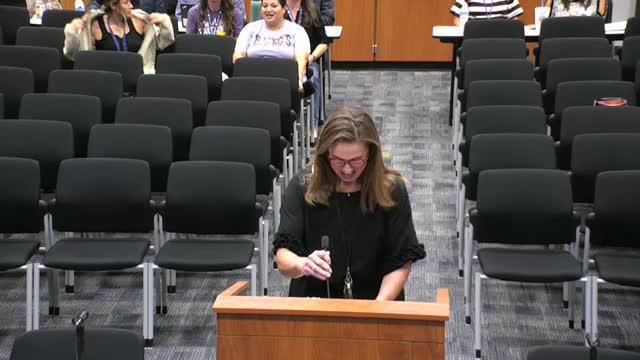
Summary
A 25‑year Katy ISD employee described denied tests and out‑of‑pocket costs under the district plan; staff presented proposed 2026 health plan changes including higher deductibles, PBM change from Express Scripts to H‑E‑B, and projected reductions in program deficits driven by higher pharmacy rebates.
A Katy ISD employee and 25‑year district staff member told the Board on Monday that employees are experiencing denials, confusing provider lists and out‑of‑pocket spending under the district health plan, and asked trustees to restore a benefits advisory committee so employees have a voice.
"We don't mind paying more if it means we get better care, but right now, we're paying more and getting less," Carrie Lowry, a Katy ISD employee, parent and district graduate, said during the public comment period. Lowry described denials for imaging and diagnostic tests and said one staff member paid out of pocket after a test was denied; she also said her husband, who has stage‑4 bladder cancer, underwent surgery without a stress test that his cardiologist had requested because the test had been denied.
Nut graf: The concerns raised in public comment were followed by a multi‑hour presentation and discussion of voluntary benefits and the district's self‑funded health plan. Risk management and external benefits consultants explained proposed changes for plan year 2026, the drivers of plan deficits and planned steps to reduce the program's losses.
Lance Naumann, Katy ISD director of risk management, and Tommy Harris of the Baldwin Group (benefit consultant) detailed plan designs and cost pressures. The district plans several design changes for 2026: higher deductibles across plans (examples given in presentation: POS2 individual deductible rising from $4,000 to $5,000 and family deductible from $7,000 to $8,000; high‑deductible plan individual deductible rising from $5,250 to $5,350 and family from $10,500 to $10,600). The Memorial Hermann ACO plan's deductibles and premiums will also increase, the presenters said. The pharmacy benefits manager will change from Express Scripts to H‑E‑B for the pharmacy program.
Tommy Harris said negotiations produced a materially higher pharmacy rebate figure in projections — from $5 million previously to an estimated $13 million — and that change materially improved the district's projected deficit for 2026 in the consultant's forecast.
Board members and trustees pressed staff for practical steps to help employees navigate denials and provider confusion. Trustees asked whether the district conducts participant surveys, whether employees can access advocates and how the district communicates coverage and appeal processes. Naumann said the district handles individual cases and meets regularly with carriers and pharmacy partners; he confirmed the district does not currently run a formal employee survey on benefits but said the benefits team meets carrier representatives and addresses trends when identified.
Discussion included whether the district should reconstitute a benefits advisory committee; trustees also discussed consumer education during open enrollment and the district's historical choice to absorb plan deficits rather than passing full costs on to employees. Presenters said Katy ISD contributed the equivalent of $385 per employee per month to the plan, and over multiple years the district has used internal funds to cover plan losses; presenters noted the district's self‑insured plan had lower per‑member costs than comparable TRS ActiveCare rates in past analyses, but sustained medical and pharmacy inflation has driven recent deficits.
Ending: Trustees requested clearer communications plans, better navigation support for employees facing denials, and suggested targeted surveys or other feedback mechanisms so staff can identify recurring provider or claims issues. Presenters said the district will continue to work with carriers and report back during routine budget and benefits briefings.