
Firms say project management, secure portals and AI‑enabled analytics will reduce audit cycle and surface exceptions earlier
Get AI-powered insights, summaries, and transcripts
Subscribe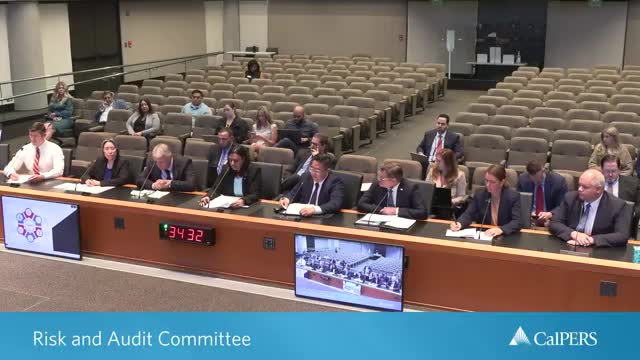
Summary
BDO, Crowe, KPMG and Plante Moran described project‑management practices, client portals and AI or analytic tools they will use to meet deadlines and improve audit efficiency, including daily huddles, dashboards, prior‑year document roll‑forward, and population scoring tools.
Committee members asked each firm to explain how audits would be managed to meet the RFP deadlines and what would happen if deadlines were at risk. Firms described project‑management disciplines, client portals for document exchange, and investments in analytics and AI‑enabled tools to move work forward and surface exceptions earlier.
BDO described daily huddles, weekly core team calls, trackers (PTO, onsite) and a dashboard to monitor progress and escalate issues; the firm emphasized continuity of core team members. Crowe highlighted an Exchange portal with prior‑year document retention, specialized employer subsites for multi‑employer data and a client relationship layer to keep the engagement on schedule. KPMG described an “audit life‑cycle” with milestone percentages (e.g., 50% of audit file completed by June 30) and KPMG Clara as the platform for execution; the firm said AI‑enabled agents and externally validated tools support population testing and reduce rework. Plante Moran discussed starting from the deadline and working backward to set internal deadlines, weekly meetings, SharePoint for document tracking and frequent communication.
Firms said the approaches reduce end‑of‑year spikes, allow earlier issue escalation, and open access for management to audit status via dashboards. None of the firms said meeting deadlines was guaranteed; each proposed escalation protocols and additional resourcing if required. Committee members asked about independence and potential conflicts when firms or their employees provide other advisory services; firms reiterated independence safeguards and partner‑level oversight.
No committee action was recorded. The committee indicated project‑management and technology commitments would be considered in the evaluation.