
VA officials say REACH VET remains human-controlled as AI aids suicide-prevention outreach
Get AI-powered insights, summaries, and transcripts
Subscribe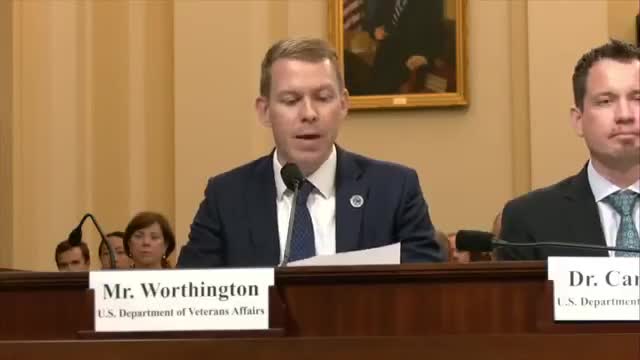
Summary
VA witnesses described the REACH VET suicide-prevention program as an AI-assisted identification tool, emphasized human clinical control over outreach and care, and said the agency updates and monitors the model to preserve clinician judgment.
At a congressional subcommittee hearing, VA witnesses described REACH VET as an AI-driven risk-identification program that has been in operation since 2017 and said clinicians — not AI — control outreach and treatment decisions. "Since 2017, the REACH VET program... has used AI algorithms to identify over 130,000 veterans at elevated risk," Charles Worthington said in his opening statement. Dr. Evan Carey, acting director of the National Artificial Intelligence Institute, told lawmakers that the agency recently updated the REACH VET model to preserve high performance in identifying veterans in the highest risk quartiles and that AI identification is one part of a "multi-pronged" suicide-prevention strategy. Carey emphasized clinical oversight: "VA clinicians deliver care to Veterans. VA clinicians are in control of the care that veterans receive," he told the committee. When asked whether chatbots or other AI systems would be used in place of frontline staff for crisis intervention, Carey said, "We do not currently have any plans that I'm aware of to use AI as a treatment device instead of providers." GAO witnesses and lawmakers cautioned that automation can introduce errors in other benefit- or health-related decision tools and urged robust predeployment testing, ongoing monitoring and workforce support to prevent mistakes that could affect patient safety or benefits outcomes. The hearing produced no policy changes; members sought follow-up documentation on monitoring plans and model performance metrics.