
Tompkins emergency response asks for two 9‑1‑1 dispatchers and expands peer‑support amid rising call volume
Get AI-powered insights, summaries, and transcripts
Subscribe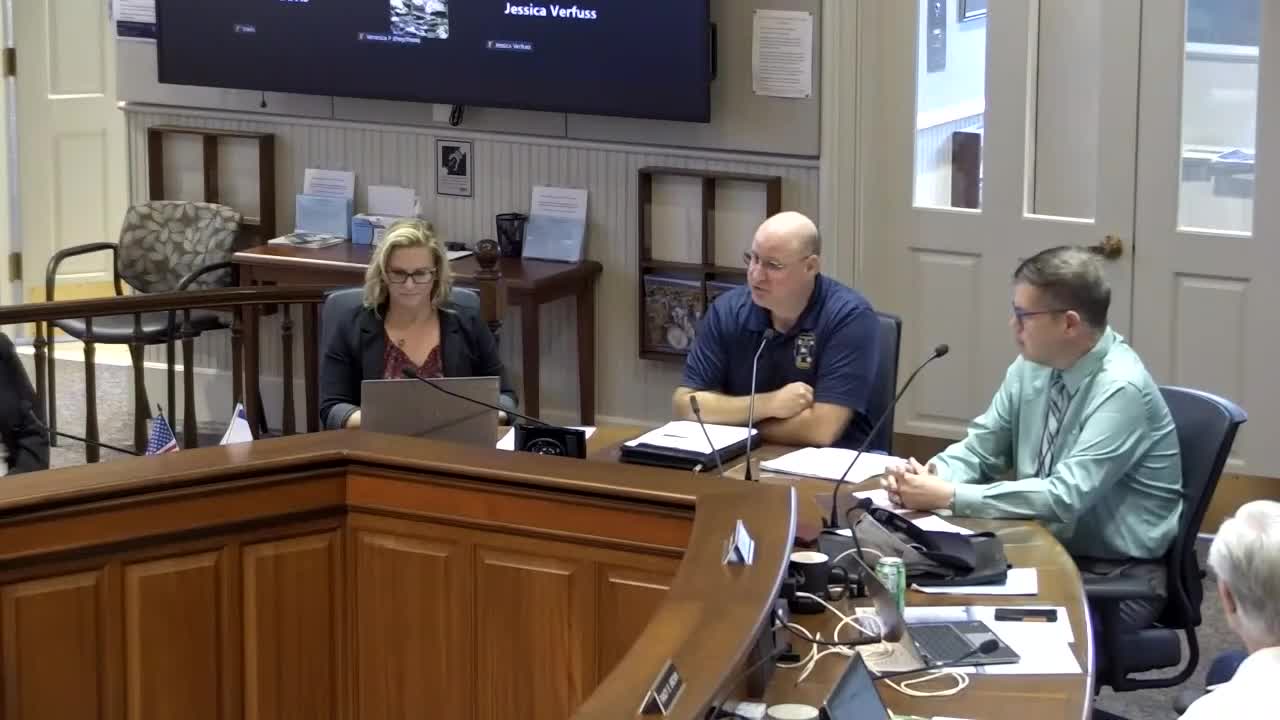
Summary
Emergency Response staff told the expanded budget committee that call volume at the 9‑1‑1 center is up sharply, urged funding for two additional dispatchers to raise minimum staffing and asked to retain a comm‑center maintenance contract and a county peer‑support coordinator to support first responders.
Tompkins County Department of Emergency Response leaders told the expanded budget committee on Sept. 18 that incoming call volume to the county 9‑1‑1 center has jumped and that the department needs two additional emergency dispatcher positions and training dollars to meet state standards. Why it matters: Department leadership said calls to the 9‑1‑1 center are projected to finish the year 18–25% above last year and that statewide changes — a new NextGen 9‑1‑1 system and updated state training standards — add work and training requirements for local public‑safety communications staff. Staffing and operations: Assistant director John Halachuk and Deputy Director Jessica Purfus said the 9‑1‑1 center currently staffs a minimum of three dispatchers plus a supervisor per shift; the department seeks to raise that minimum to four dispatchers plus a supervisor. Halachuk reported the center handled roughly 139,000 total calls last year and that mid‑September totals already exceeded 141,000. Training and grants: The department said some program‑expense and travel/training enhancements were not recommended by county administration; leaders warned cuts to training funding would limit preparation for incidents such as active‑shooter responses and new NextGen 9‑1‑1 technologies. They also noted the department manages about $2.8 million in grant funding across multiple programs and that federal grant reductions remain possible. Peer support and other enhancements: Emergency Response presented a new county peer‑support coordinator plan developed with Human Resources and Whole Health. Danielle Schwartz described peer support and a system‑team (critical‑incident stress management) approach and said investing in peer support can reduce turnover and yield a positive return on investment. The department also requested continuing maintenance for new comm‑center equipment (a "comm center specialist" maintenance contract); that service was included in county administration’s recommendations. Decisions and follow‑up: The committee was told two emergency dispatcher positions and several other program and travel/training requests were not supported in full by county administration; the department said it would delay two unsupported enhancements until 2027 if necessary. Leaders left staffing analyses and offered to provide training‑and‑outcome data on request. Ending: Department leaders urged the committee to consider the cumulative effects of higher call volume, NextGen 9‑1‑1 rollout and new community response programs when weighing training and staffing decisions.