
Resident-led review of failing step systems prompts staff to plan workshop and further regulation review
Get AI-powered insights, summaries, and transcripts
Subscribe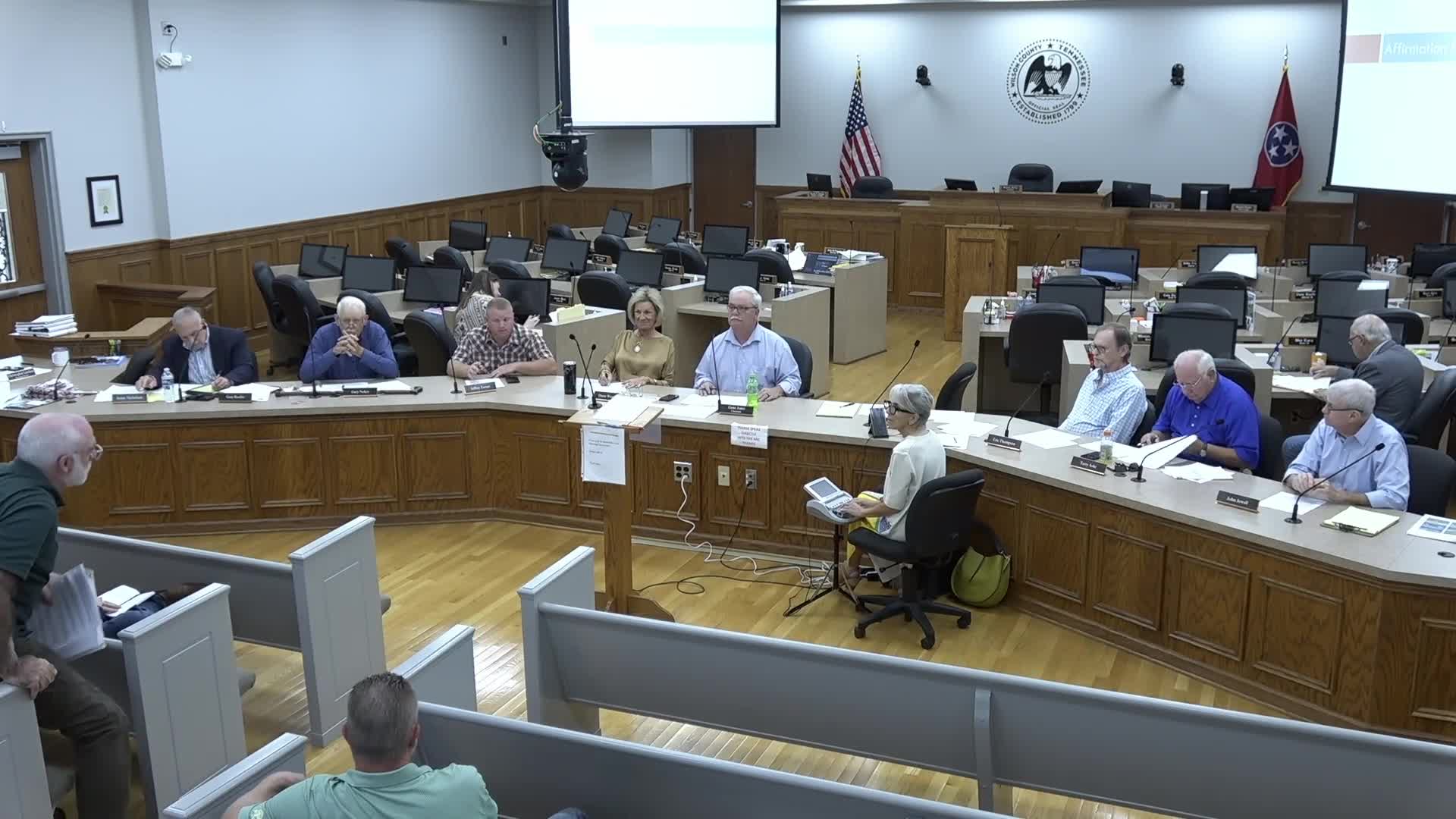
Summary
A public comment presentation documented long-standing failures in step (packaged sewage) systems, prompting staff to outline next steps including a PUD ordinance workshop on Oct. 13 and a final land-use public meeting on Sept. 25; planning staff said they will research regulatory options used by neighboring jurisdictions.
A resident who inspected multiple step-system (small-scale wastewater) drip fields told the Wilson County Planning Commission on Sept. 19 that numerous systems known to be failing have continued to serve hundreds of homes while collecting monthly fees, and he urged regulatory changes. Ken Young presented photographs, inspection dates and financial tallies and said some systems were notified of failure years ago but remain in service.
Young told the commission he had documented systems with apparent ponding and alleged the Water and Wastewater Authority had collected customer fees while problems persisted. “If you say 87 months ago and there's 194 houses and they all get a monthly bill, they've gotten 16,878 bills since they were told that they had to fix the problem,” Young said, summarizing his spreadsheet of affected subdivisions.
Planning staff said they have been researching how neighboring jurisdictions regulate step systems. Christopher reported that some utility districts impose their own conservative limits (for example, Consolidated Utility District in Rutherford County constrains units per acre to lower numbers than the TDEC operating permit might allow) and that Williamson County has regulatory language that ties zoning allowances to a separate chapter on nontraditional wastewater systems. He said county staff will continue outreach and proposed workshops to address regulatory options.
Staff announced two near-term public engagement items: a public input session for the county land-use plan on Sept. 25 at Cumberland Alumni Hall (doors open at 5:30 p.m.), and a workshop on proposed PUD ordinance changes tentatively scheduled for Oct. 13 from 10–11:30 a.m. in the planning meeting room. Christopher also noted that a zoning amendment related to lot size and allowable uses (the subject of a recent chancellor’s procedural ruling) will be returned for proper procedural review in the coming month.
Commissioners and residents discussed enforcement limits, the roles of TDEC and utility districts in issuing operating permits, and the possibility of requiring additional third-party review or reserve acreage as part of subdivision approvals to reduce step-system failures in the future.