
Laguna Woods proclaims Fire Prevention Week; OCFA warns residents about lithium‑ion battery risks
Get AI-powered insights, summaries, and transcripts
Subscribe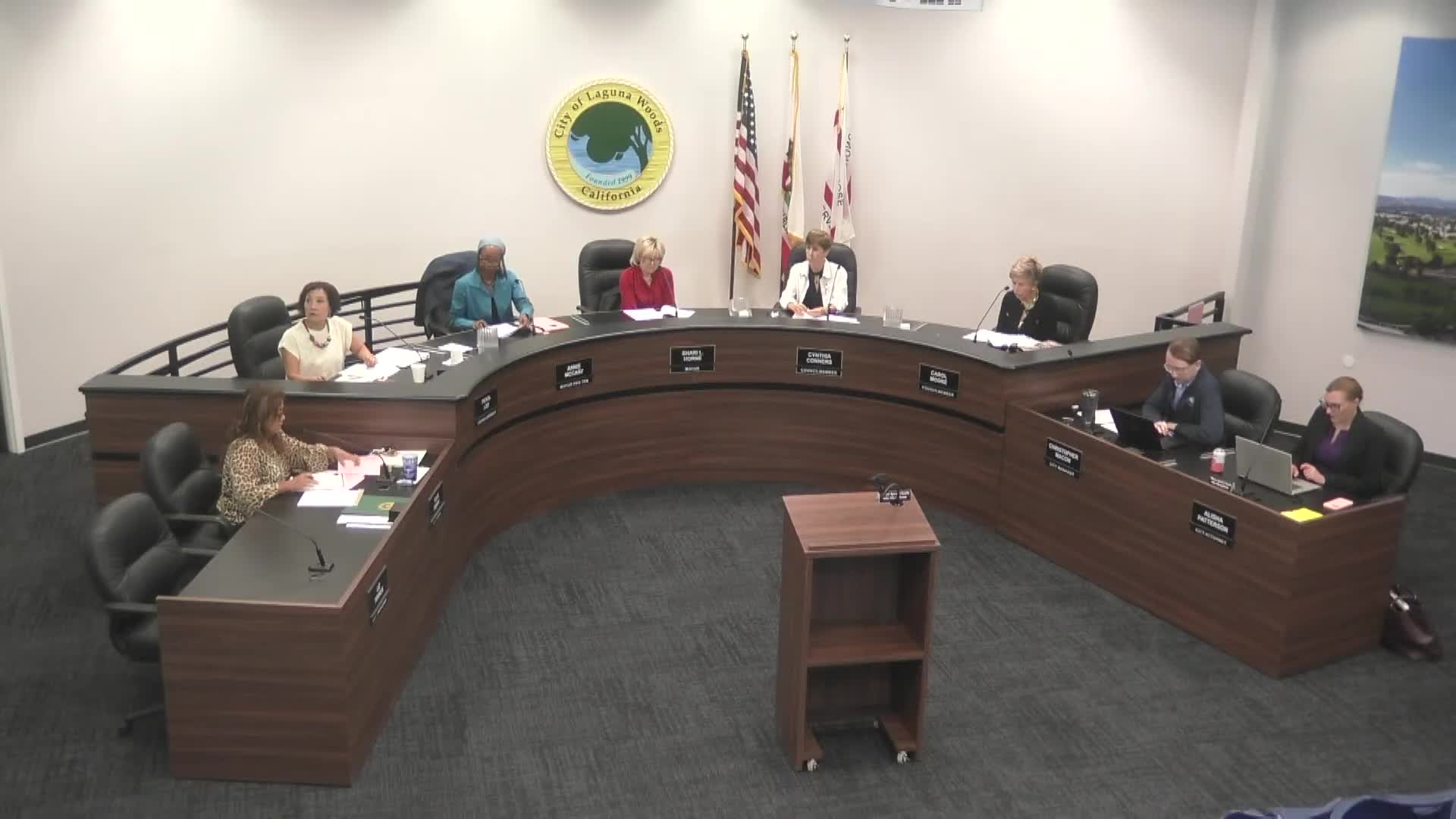
Summary
The City of Laguna Woods proclaimed October 2025 Fire Prevention Week and heard a presentation from the Orange County Fire Authority emphasizing safe use, storage and recycling of lithium‑ion batteries and household smoke‑alarm checks.
Laguna Woods on Tuesday proclaimed October 2025 as Fire Prevention Week and heard a presentation from the Orange County Fire Authority on the growing risks posed by lithium‑ion batteries in household devices. Battalion Chief Matt Levesque of the OCFA outlined steps residents should take to reduce the risk of battery‑related fires and urged regular smoke‑alarm maintenance.
The proclamation, read by city staff, directs residents to follow safe battery habits during Fire Prevention Week and notes that the city accepts small electronics and lithium‑ion batteries for safe disposal at city hall. Matt Levesque, B‑shift battalion chief for the Orange County Fire Authority, told the council that lithium‑ion batteries “store a large amount of energy in a small amount of space” and can overheat, catch fire or explode if damaged or used with incorrect chargers.
Why it matters: Lithium‑ion batteries are common in phones, laptops, e‑bikes and power tools. Fires involving these batteries can spread quickly, produce toxic smoke and be harder to extinguish than ordinary household fires, creating additional risk for residents and first responders.
In his presentation, Levesque advised purchasing devices listed by nationally recognized testing laboratories, using only the battery and charging cord designed for a particular device, avoiding charging devices under pillows or on beds and storing batteries at room temperature when possible. He said signs of a failing battery include odd odors, swelling or bulging, excessive heat, leaking or unusual noises; if those appear, residents should stop using the device and, if safe, remove it from combustible surroundings or call 911.
Levesque also recommended not throwing lithium‑ion batteries in household trash or curbside recycling and pointed listeners to Call2Recycle.org for battery‑recycling locations. He emphasized the importance of smoke detectors in every bedroom and hallway and advised households to practice home exit drills and maintain detectors monthly.
Council members asked questions about older devices, charging overnight and whether electric vehicles pose a heightened garage risk. Levesque said the risk of vehicle fire exists with both electric and internal‑combustion vehicles and that electric vehicle fires involve different chemical reactions that can be more challenging to fight, but he did not recommend against garage charging.
The council voted to adopt the proclamation; a council member moved the measure, it was seconded and members voted in favor. A brief photo opportunity followed the vote.