
El Segundo Unified board hears evidence that teacher-led PLCs are driving early student gains
Get AI-powered insights, summaries, and transcripts
Subscribe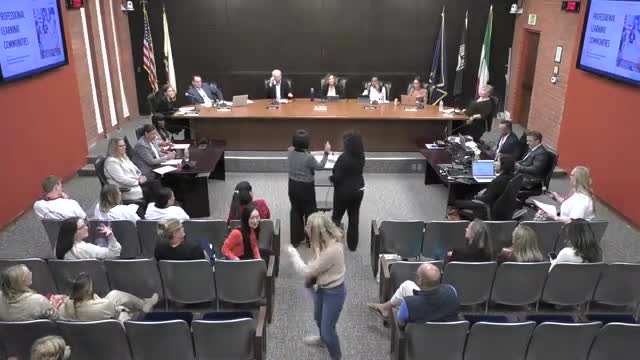
Summary
District principals and classroom teachers described how professional learning communities (PLCs) and a schoolwide expectations program are changing instruction at Richmond Street and Center Street schools; the board heard examples of teacher collaboration, a dedicated weekly PLC slot and early student results.
On Sept. 30, 2025, the El Segundo Unified School District Board of Education received presentations on professional learning communities and Center Street School’s schoolwide expectations, with principals and classroom teachers outlining how structured teacher collaboration is being used to improve student learning.
District principals Rachel Arons (Richmond Street) and Rose Oleshian (Center Street) told the board the PLC work is grounded in research on collective teacher efficacy and organized around four “essential questions” that guide teams in deciding what students should learn, how the district will know they learned it, how teachers will respond when students do not learn, and how instruction will be extended for students who do.
The presenters said the district has set aside 45 minutes every Monday for professional learning teams. Teachers described practical uses of that time: reviewing common assessments, aligning instruction, sharing reteaching strategies and identifying enrichment for advanced students. Fourth-grade teacher Michelle Varghese spoke for her team and described aligning assessments and revising plans based on data; fifth-grade teachers Wendy Dooley and Miranda Felix were quoted explaining how focusing on essential standards and sharing strategies unlocked better instruction. Third-grade teacher Sarah Crosby credited the California Principal Support Network (CAPS) training with giving teams a framework and coaching to implement PLC work.
Center Street Principal Rose Oleshian described a complementary initiative to make expectations consistent across campus: staff and students co-created schoolwide norms, the school installed 26 banners and classroom posters to keep the language visible, principals lead read-alouds to model expectations, and families receive newsletters and at-home challenges to reinforce the work. Teachers said the visible and consistent expectations have helped classroom routines and created a shared instructional culture.
Board members praised the work and the visible teacher collaboration. Several board members noted they had observed PLC practices during recent site visits and described the presentations as useful for showing the community that the district invests time for teacher collaboration rather than only relying on programs.
The presentations did not request a board vote or seek additional funding; they were informational. The district leaders said PLCs are a multi-year effort supported by ongoing CAPS coaching and principal leadership.
Speakers included the two principals who presented and multiple classroom teachers who described the classroom impact and implementation details.