Cleveland County Schools reduce low-performing schools from nine to two, superintendent says
Loading...
Summary
Superintendent Dr. Steven Fisher told the board that Cleveland County Schools lowered its number of low-performing schools from nine in 2023–24 to two in 2024–25, with gains in proficiency and growth and several schools singled out for recognition. The board also approved a nomination of a community literacy project for a state award.
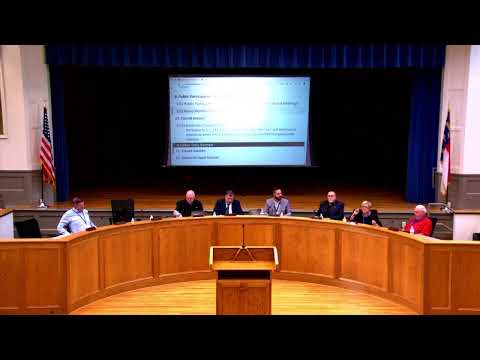
Cleveland County Schools Superintendent Dr. Steven Fisher told the Board of Education on Sept. 8 that the district reduced its number of low-performing schools from nine in the 2023–24 school year to two in 2024–25, and that a larger share of students reached proficiency on state exams.
Fisher said the district’s share of low-performing schools fell from about 35% last year to roughly 8% this year (the superintendent noted the state’s published number as 7.7%). “Cleveland County Schools has reduced the number of low performing schools from 9 in 2023–24 down to 2 in 2024–25,” Fisher said during his presentation to the board.
That improvement was driven largely by higher proficiency rates, Fisher said; school performance grades in North Carolina are weighted about 80% for proficiency and 20% for growth. Fisher told the board that 65.4% of the district’s schools met or exceeded growth and that 92% of the district’s schools earned an A, B, or C school performance grade.
The superintendent and board members recognized five schools with certificates of achievement during the meeting. Fisher identified Kaeser Elementary School, Cleveland Early College High School (which he said again earned an A), Shelby Middle School, Springmore Elementary School and Washington Elementary School for strong results. Fisher noted that Washington Elementary rose from an F to a C and that its performance composite grew by 17.4 points.
Board members praised teachers, principals, support staff and volunteers for the gains. Board member Aaron Bridges said the improvement was the result of “the whole team” working together, and other board members echoed that praise during their remarks.
Fisher and staff also briefed the board on other performance measures: the district reported several schools increased their school performance grade (18 schools), nine schools improved their letter grade, and two schools showed exceeded growth in both reading and math. The superintendent noted some high-school–level data remain disaggregated and that the district is awaiting additional releases from the state’s value-added system.
In the same segment, Fisher recommended the district nominate the My Home Library project — a Cleveland County United Way co-sponsored initiative that distributed small home libraries last year and raised more than $55,000 — for the North Carolina School Boards Association Champion of Education award. The board voted unanimously to approve the nomination.
The superintendent said the results were officially posted after the state board meeting and that some embargoed data had been released to the district earlier. He and board members said they would continue reviewing disaggregated growth data and present additional detail at future committee meetings.
The board did not take any policy changes on the state accountability system during the presentation; the discussion was a summary of the state-calculated school performance data and district recognitions.