
City of Holland sustainability manager urges small, repeatable actions to cut energy and waste
Get AI-powered insights, summaries, and transcripts
Subscribe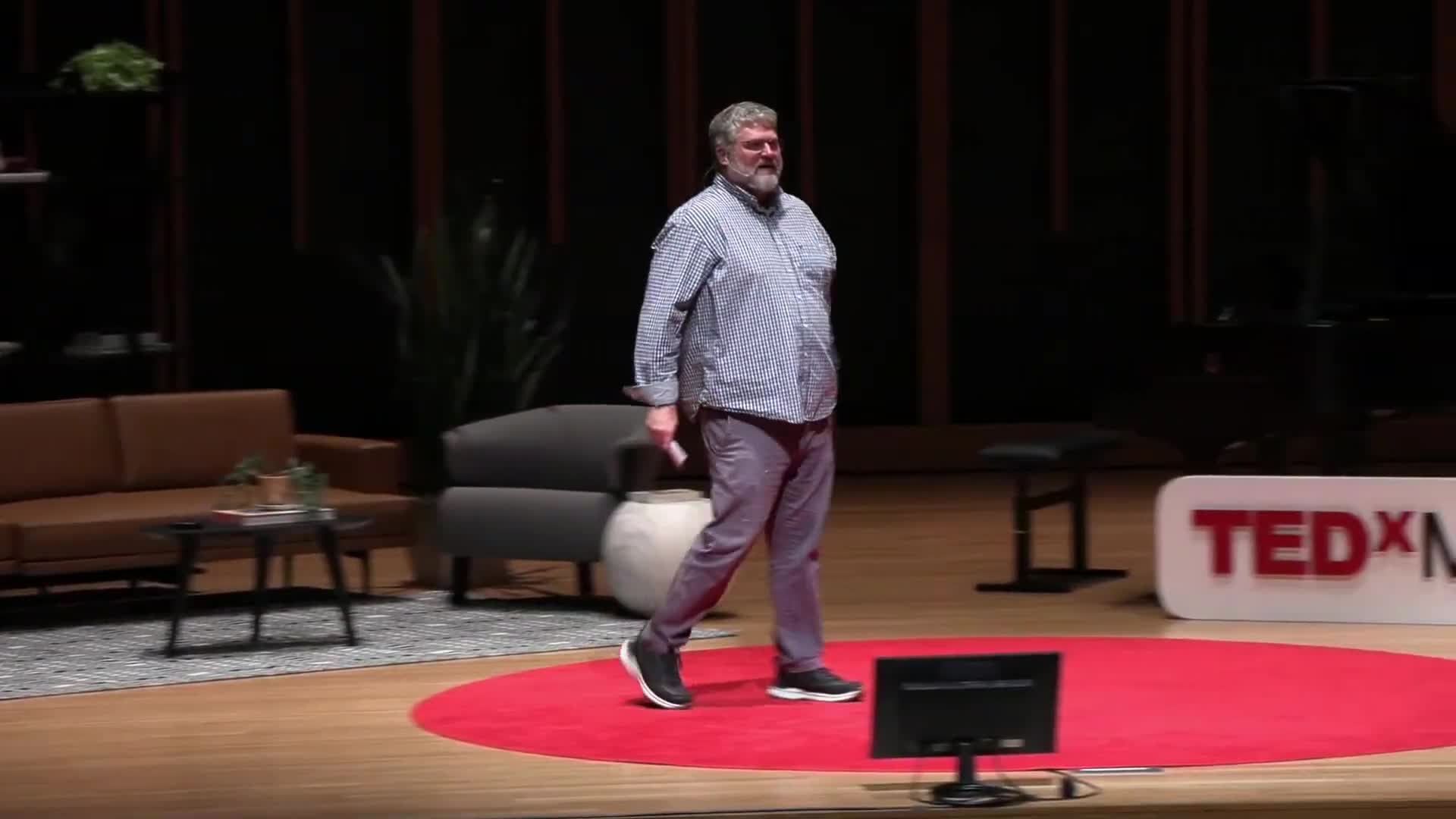
Summary
Dan Broersma, the City of Holland sustainability manager, told a TEDx Makatawa audience that effective municipal sustainability programs start with small, practical, repeatable steps: a cross‑functional team, clear goals, monitoring and measurement, and sharing results.
Dan Broersma, sustainability manager for the City of Holland, told attendees at TEDx Makatawa that local organizations can build resilient sustainability programs through modest, repeatable actions. “Sustainability is about everything,” Broersma said, adding that the most effective teams include operations staff, someone from finance and “a naysayer” to challenge assumptions.
Broersma described a six‑step approach he uses in municipal and institutional settings: form a cross‑functional team; set practical, understandable goals; define what sustainability means locally; monitor and measure performance; repeat and expand successful work; and share results. “If you set a goal of ‘we’re gonna have a dumpster in the back and we’re gonna reduce it by half,’ then it’s just your measurement is the dumpster itself,” he said.
He emphasized measurement as the step many organizations skip. Tracking kilowatt hours, water use, pounds of trash or simple operational indicators often exposes problems such as broken irrigation heads or misconfigured energy rates, he said. Broersma also urged leaders to make metrics easy to understand and to publicize outcomes: “Share your successes, share your losses, share your metrics.”
Broersma framed the work as practical rather than prescriptive: municipalities can choose a limited scope (energy, waste, grounds, etc.) and scale from there. He encouraged including front‑line staff—grounds crews, engineers, custodial teams—because those workers often spot operational fixes and savings that managers miss.
For municipal leaders in Holland and similar communities, Broersma’s recommendations put near‑term operational returns before large capital projects. He suggested measuring early wins to build support for longer investments and recommended documenting and sharing results with peers and the public to seed broader adoption.
Ending: Broersma concluded by asking each audience member to decide what kind of difference they want to make and to use small, repeatable practices to advance sustainability in their organization.