
City solicitor: Commission can propose any charter amendments; council must place them on ballot within six months
Get AI-powered insights, summaries, and transcripts
Subscribe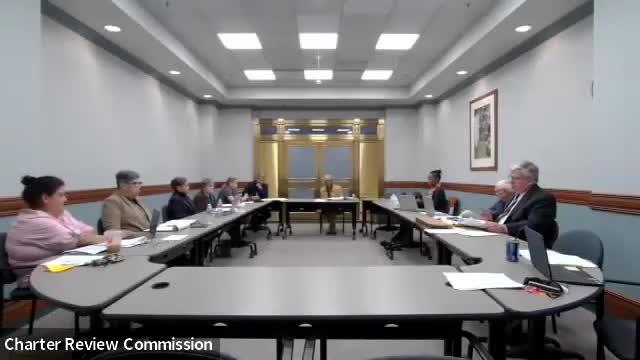
Summary
City Solicitor Ed told the Charter Review Commission that any amendments the commission proposes must be presented to voters no later than the next municipal election and that city council and the mayor are legally required to place commission-recommended amendments on the ballot within six months of the commission’s appointment.
City Solicitor Ed told the Charter Review Commission on Oct. 2 that the commission has broad authority to propose amendments to the city’s home-rule charter and that city council and the mayor are obligated to place any proposed amendments on the ballot by the next municipal election.
Under the charter’s amendment process, the commission must submit proposed amendments within six months of its appointment; once submitted, council and the mayor do not have discretion to refuse placement of those questions on the ballot, Ed said.
Ed explained the rule and its limits: the commission may propose additions, deletions or reinstatements of charter provisions, but whether voters approve a proposed amendment is a separate question for the electorate to decide. “City council and the mayor, by ordinance, shall place all proposed amendments on the ballot no later than the next municipal election,” Ed said, describing the council’s obligation as ministerial.
Why it matters: the commission’s recommendations will be decided by voters, not the commission or council. Commissioners therefore discussed how to prioritize topics and the practical calendar for putting measures before the electorate — including the 13-week lead time election authorities require for certified ballot questions.
Key takeaways: - Legal authority: the commission can propose amendments to any charter section; the city must place proposed amendments on the ballot if they are submitted within the commission’s six-month window. - Timing: proposals submitted within six months of the commission’s appointment must be placed on the next municipal election ballot; if the commission misses a ballot cycle it may still submit amendments for a later election but would lose the statutory guarantee that council must place them on the ballot. - Practical calendar: commissioners were reminded to factor in the elections office’s 13-week certification deadline when planning hearings, outreach and drafting of ballot language.
Next steps: commissioners agreed to keep the six-month statutory window and the election-office deadlines in mind while finalizing the survey, scheduling public hearings and preparing any proposed charter language for voter consideration.