
How a paving "pave train" works: local presenter walks through the machines and sequence
Get AI-powered insights, summaries, and transcripts
Subscribe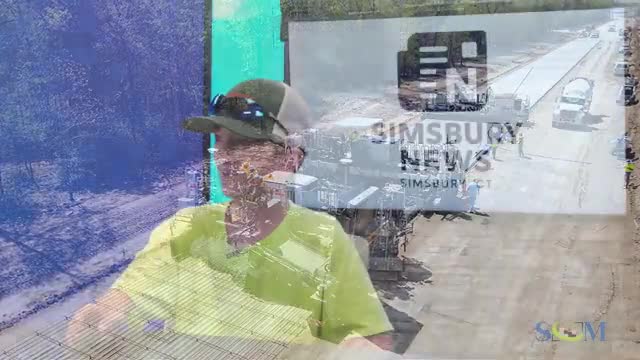
Summary
A presenter explained the sequence and roles of common paving equipment — water trucks, tack trucks, dump/transport vehicles, pavers, screeds and rollers — and noted line-painting occurs after curing; the segment was instructional rather than a report on a specific local project.
Resident, Presenter, offered a step-by-step explanation of how contractors organize a paving operation often called a “pave train,” describing the typical sequence of equipment and what each machine does.
The presenter described water trucks as dust-control units, tack trucks as vehicles that spray an adhesive substance to help asphalt bind, and dump trucks and material-transfer vehicles (MTVs) as the means of delivering hot mix asphalt to the paver. The paver accepts the material in a hopper and feeds it through a conveyor to a screed, which lays the material. A roller or compactor follows to compact the newly laid asphalt. The presenter said a line-painting truck typically follows after the pavement has cured.
The segment was instructional and did not attribute technical standards or regulatory limits to any authority; it described common contractor practice as observed or summarized by the presenter.