
Commissioners discuss Hickory Flats ownership transfer, urge clearer written notification for future purchasers
Get AI-powered insights, summaries, and transcripts
Subscribe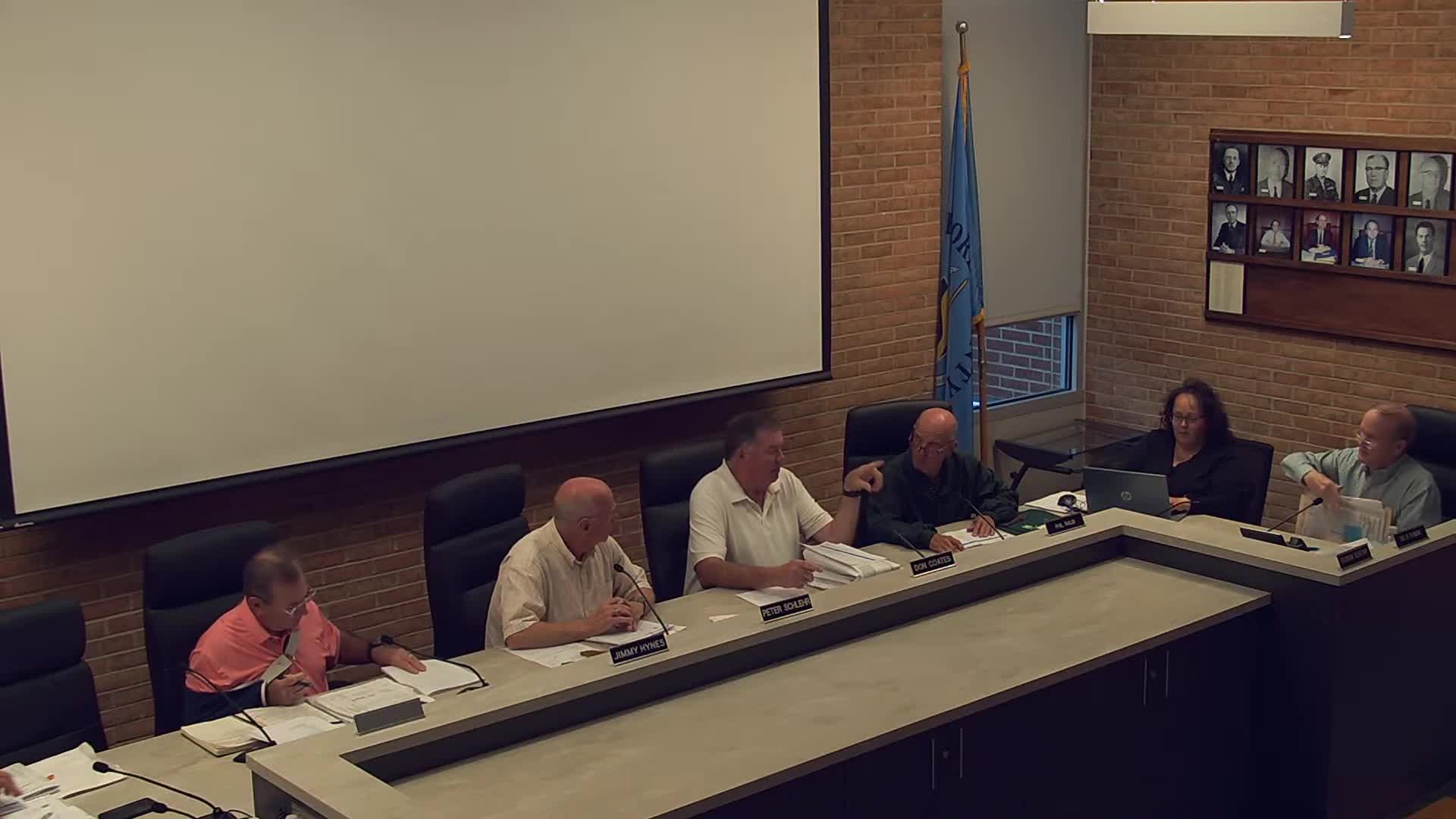
Summary
Planning commissioners debated whether the town should require written notice or an ordinance when approved development projects change owners; staff said approvals attach to the property entity (LLC) and purchasers must do due diligence and substitute bonds where applicable.
Commissioners revisited an unsettled development at Hickory Flats and discussed whether the town should require written acknowledgements or an ordinance to ensure prospective purchasers understand previously negotiated project expectations and obligations.
A commissioner raised concerns that purchasers of an approved project may not learn of site‑specific nuances agreed during concept plan meetings. “I just think somewhere, there needs to be something in writing where they acknowledge that everything that's been done up to this point, and they're buying it,” the commissioner said.
A town staff member explained that approvals are held by the property entity (for example, “28 North Hickory LLC”) and that membership interests may change without changing the entity name. “The entity does not change, but the people that actually own the entity do change,” the staff member said, and added that the town cannot prevent private sales of membership interests. Staff said purchasers commonly use a due‑diligence period and that lenders often request a zoning letter before closing. The staff member also said bonding arrangements typically require substitution: “The only part of it that they have to do is they will have to renew or withdraw their bonds and file new ones because bonds are a little special.”
Commissioners discussed but did not adopt any ordinance. Several members said they were reluctant to transfer burden and new administrative responsibilities to the town by creating a required notification ordinance, noting that many purchasers do meet staff during due diligence and that the town relies on standard private‑transaction practices. Staff agreed to follow up by communicating with the current LLC owner about property maintenance (cutting weeds and cleanup) while the transaction is in due diligence.
No formal action was taken; the commission’s discussion concluded with staff confirming purchasers typically notify the town once a sale closes and that the town will expect bond substitution and contact information for new principals if and when membership interests change. Commissioners requested staff assistance to ensure the property is maintained during the interim.